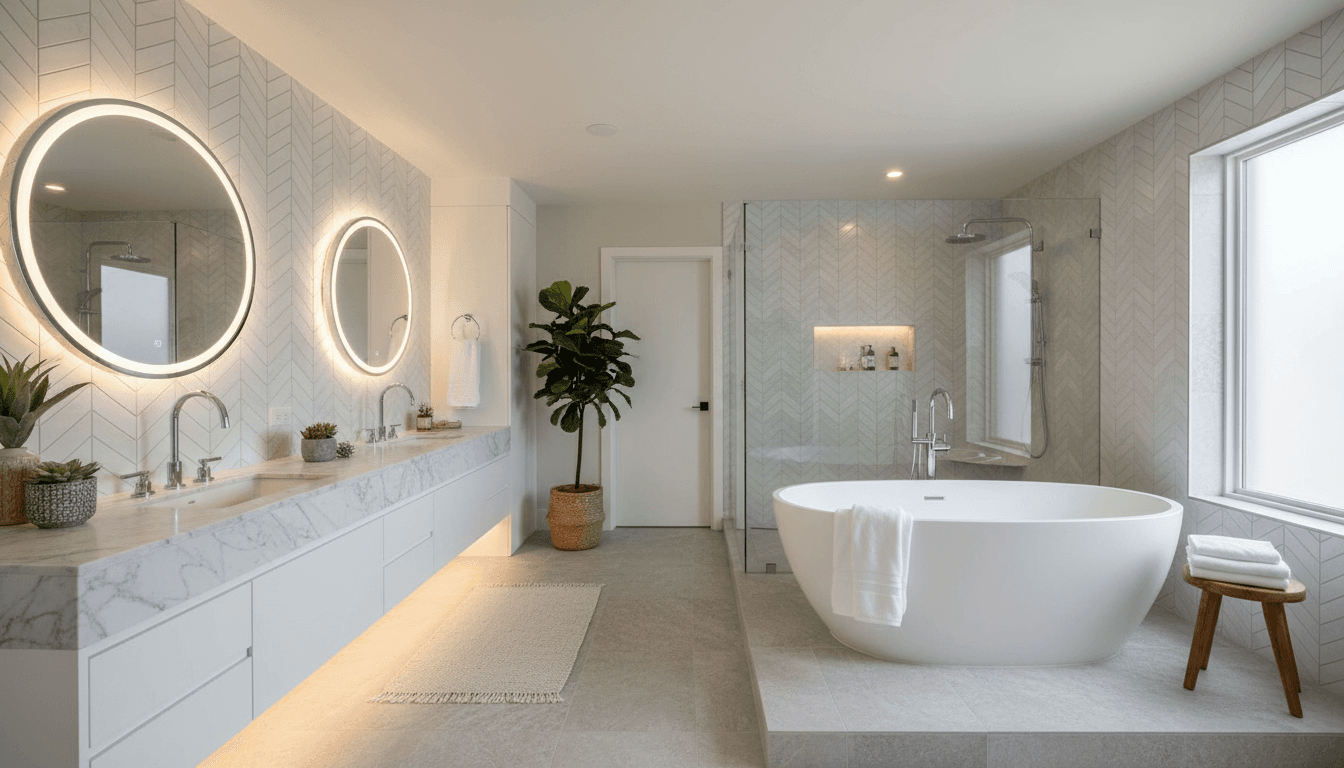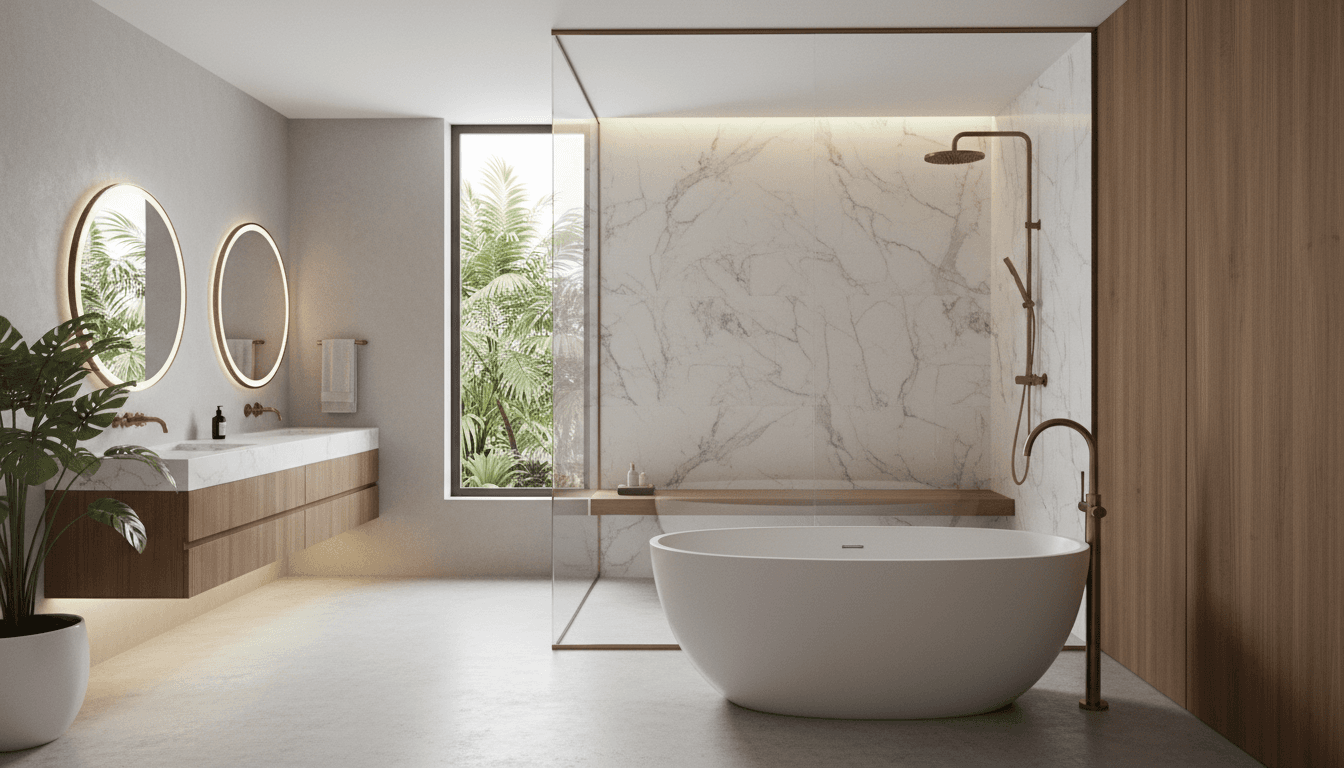
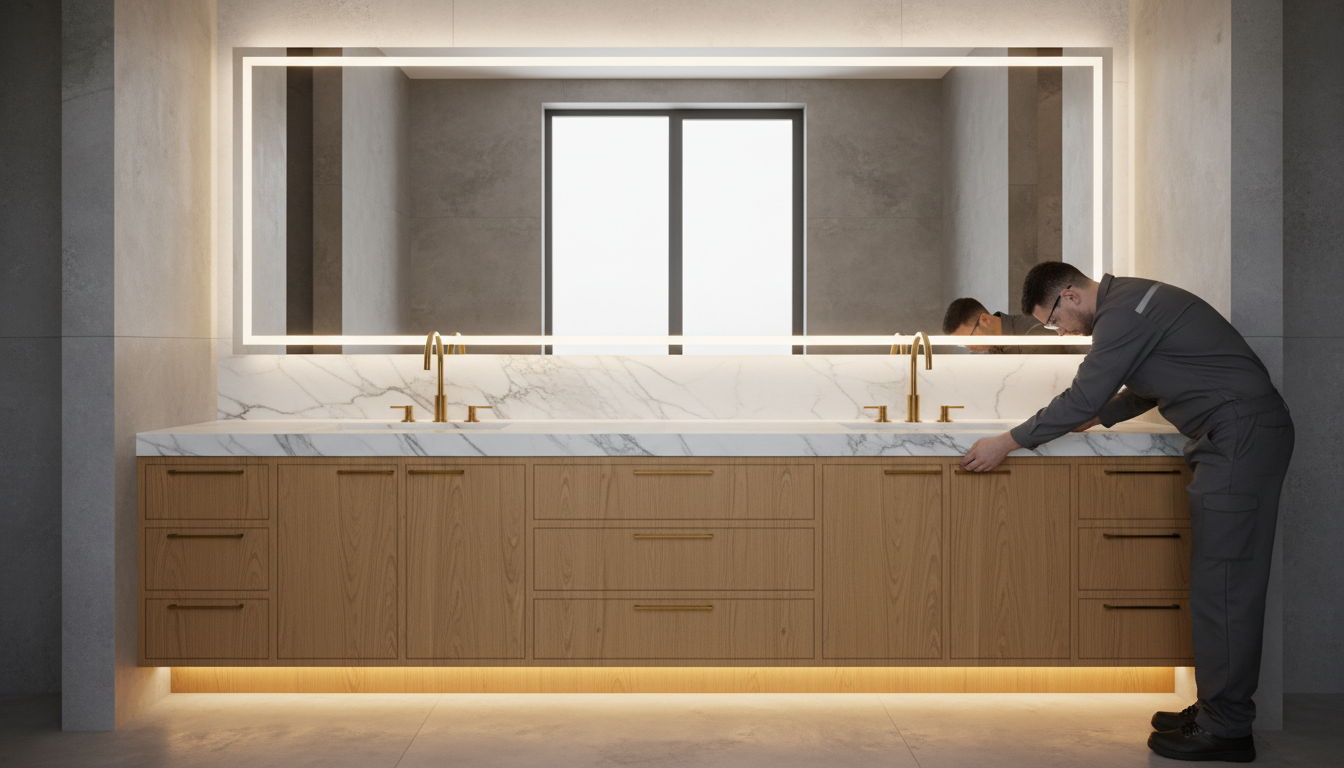
A custom bathroom vanity demands furniture grade craftsmanship because it serves as the structural and aesthetic anchor of the room, requiring durable construction to withstand moisture and daily use. This high level of quality ensures a perfect fit for unique layouts while providing the superior materials and integrated storage necessary for a luxury finish.
Most homeowners realize too late that a standard, off-the-shelf bathroom vanity is often the first element of a luxury remodel to show its age. Peeling veneers, misaligned drawers, and moisture damage are the inevitable results of placing mass-produced cabinetry into a high-humidity environment. At Limitless Interiors, we believe your primary suite deserves more than a temporary fix; it requires a structural centerpiece built with furniture-grade craftsmanship. This piece serves as the foundation of your daily routine and a significant anchor for your home value. In this guide, we will explore the precise anatomy of high-end custom vanities, from the engineering required for floating designs to the critical role of advanced waterproofing. You will learn why structural integrity and material selection define the difference between a vanity that merely survives and one that excels for decades.
The Anatomy of a High End Custom Bathroom Vanity
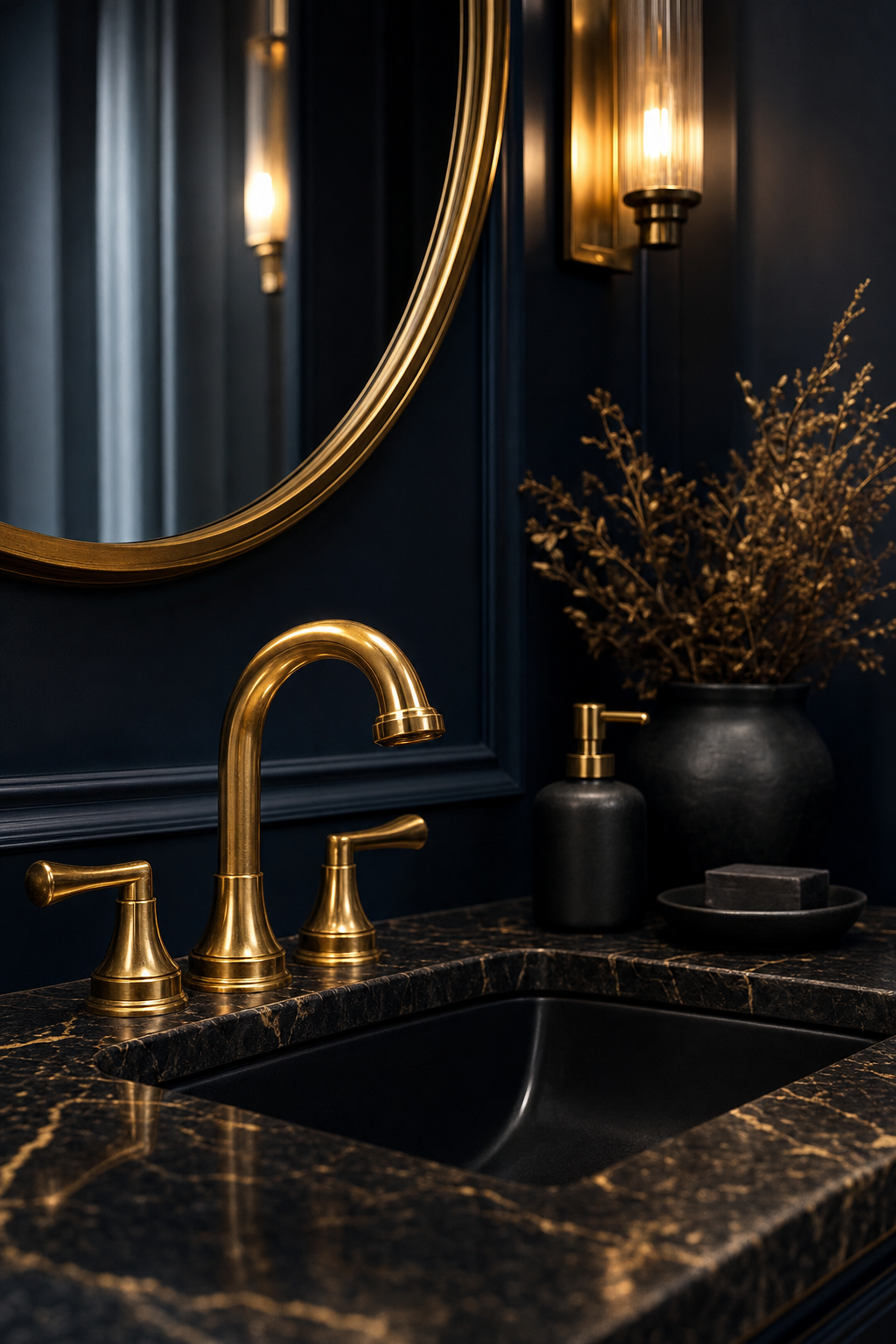
A custom bathroom vanity is far more than a storage box for toiletries. In a true luxury bathroom remodel, it functions as the structural centerpiece that dictates the room’s entire architectural flow. While mass-produced units from big-box retailers rely on particle board and thin veneers held together by cam locks, furniture-grade construction prioritizes longevity through superior joinery and specialized materials.
Authentic high-end craftsmanship involves solid wood frames and dovetail joints, which provide mechanical strength that adhesives alone cannot match. In the high-moisture environments typical of Philadelphia and Dover homes, the use of marine-grade substrates is a non-negotiable standard for a professional build. Unlike standard MDF that swells and disintegrates when exposed to humidity, these specialized materials maintain their integrity over decades. The physical weight and rigidity of these pieces are what allow them to support massive natural stone slabs without bowing or shifting over time.
The vanity serves as the primary anchor for every other luxury element in the space. Its dimensions and placement determine the location of wall-mounted faucets, the centering of backlit mirrors, and the alignment of floor-to-ceiling tile patterns. When you invest in a custom bathroom vanity, you are not just purchasing a cabinet; you are establishing the datum line for the entire project. This precision ensures that sightlines remain clean and that the interaction between the cabinetry and the surrounding stone or glass is seamless. By choosing bespoke construction, you move away from the limitations of fixed-width fillers and toward a design where the furniture is engineered specifically for the proportions of your living environment.
Custom vs Prefabricated: More Than Just a Sizing Difference
Homeowners often search for the cost difference between prefab and custom, but the primary differentiator in high end design is the precision of the installation. In the historic neighborhoods of Philadelphia or established residences in Dover, walls are rarely perfectly plumb or corners exactly square. A prefabricated unit is a static object forced into a dynamic space. This often results in awkward gaps or the use of wide filler strips that disrupt the visual continuity of the cabinetry. A custom bathroom vanity is scribed and engineered to the exact topography of your specific walls, ensuring a seamless, built in appearance that prefab units cannot replicate.
Beyond the exterior fit, the interior utility of a custom build offers technological integration that is physically impossible in mass produced models. Modern luxury demands that styling tools, electric toothbrushes, and grooming kits are powered but hidden. We design custom drawer boxes with integrated power outlets and cord management systems that satisfy local electrical codes while maintaining furniture grade aesthetics. Additionally, we can mill dedicated lighting channels into the cabinetry for recessed LED accents. These details provide functional, layered illumination that elevates the atmosphere of a luxury bathroom remodel without the visible wires or clunky aftermarket kits associated with lower tier alternatives.
Behind the Wall: Structural and Plumbing Requirements for Luxury Vanities
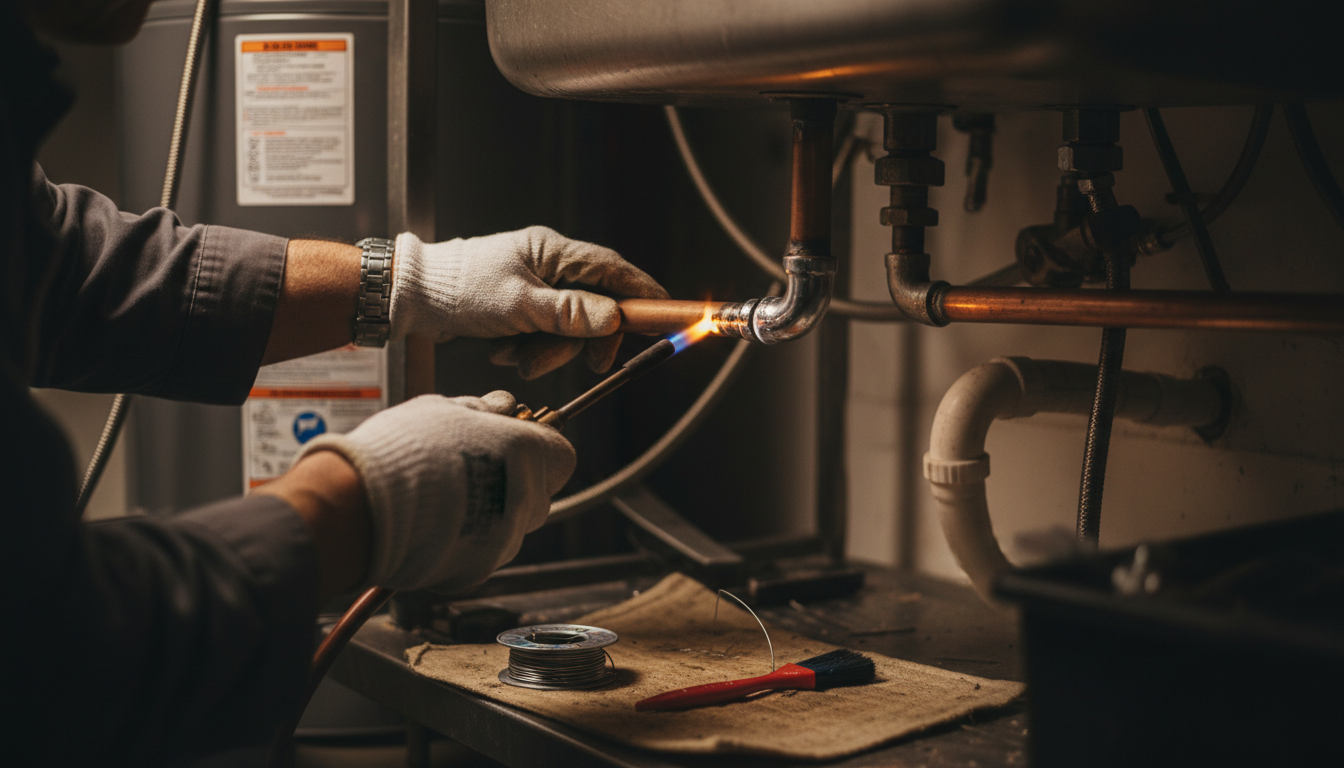
The physical precision of bespoke construction is not limited to the visible cabinetry; it extends deep into the wall framing and plumbing rough-in. While a prefabricated unit might hide a maze of misaligned pipes behind a hollow back, a custom bathroom vanity requires surgical planning before the drywall is even hung. This technical preparation is the foundation of a successful luxury bathroom remodel and is where many general contractors fail to provide the necessary oversight.
Structural reinforcement, known as blocking, is the most critical element for modern wall-mounted or floating designs. A standard 48-inch vanity with a 3cm natural stone top can weigh several hundred pounds. To ensure this weight does not cause the unit to sag or pull away from the wall over time, we install solid 2x6 or 2x8 lumber horizontally between the vertical studs. This blocking must be positioned at the exact height of the vanity’s mounting brackets to provide a continuous, rigid surface for the fasteners. Without this internal skeleton, the vanity is merely hanging on thin layers of gypsum and wood, which is a recipe for structural failure.
Plumbing alignment requires an even higher level of millimeter-scale accuracy. In furniture-grade cabinetry, the interior is often maximized with custom drawer boxes designed to wrap around the P-trap and supply lines. This leaves zero margin for error during the rough-in phase. If the drainage pipe is offset by even an inch from the shop drawings, the installer is forced to hack into the finished cabinetry or modify the drawer boxes on-site. This compromise ruins the integrity of the moisture-resistant seal and destroys the high-end aesthetic of the cabinet interior. By coordinating the plumbing layout with the cabinet design during the early stages of advanced waterproofing solutions, we ensure that every utility line passes through pre-cut CNC openings, maintaining the structural and visual purity of the piece.
The Floating Vanity Trend: Engineering and Aesthetics
Floating vanities have become the hallmark of the modern luxury bathroom remodel because they create a sense of weightlessness that makes even compact spaces feel expansive. By exposing the flooring beneath the cabinet, the room’s visual boundaries extend all the way to the wall, providing the practical benefit of effortless floor maintenance. However, achieving this minimalist look requires rigorous engineering to hide the necessary structural supports.
A floating custom bathroom vanity must be mounted with heavy duty steel brackets or specialized internal framing that remains entirely invisible to the user. This is critical when supporting the immense load of a 3cm quartz or marble countertop, which can easily exceed 200 pounds for a standard double vanity. Professional installation ensures that the unit is not only perfectly level during the initial fit but remains so for decades. This prevents the hairline cracks in tile or grout that occur when sub-par mounting systems begin to yield under the weight of the stone.
Waterproofing and Humidity Control: Protecting the Woodwork
A custom bathroom vanity must exist in a state of constant equilibrium with high humidity and direct water contact. While standard cabinetry often relies on thin veneers and decorative topcoats, professional grade pieces require a multi layered defense system. At Limitless Interiors, we treat the area behind and beneath the vanity as a critical moisture zone. We integrate advanced waterproofing solutions by applying antimicrobial barriers to the wall substrate before the cabinet is ever set. This prevents the condensation that naturally occurs when cold plumbing lines meet warm, steam filled air from seeping into the drywall and fostering hidden mold growth.
The finishing process is equally vital for longevity. We utilize catalyzed conversion varnishes and moisture resistant topcoats that create a molecular bond with the wood. This is a primary reason why repurposing a standard piece of furniture into a vanity often leads to failure within a few years. Vintage dressers or mass market sideboards are finished with lacquer or wax designed for dry living rooms; once exposed to daily steam and standing water, these finishes cloud, peel, and allow the underlying wood to swell. By contrast, a custom bathroom vanity is engineered to repel water at the surface while maintaining a breathable, stable core. This technical foresight ensures that the investment remains as structural and pristine as the day it was installed.
Why Water Quality is the Silent Protector of Your Vanity
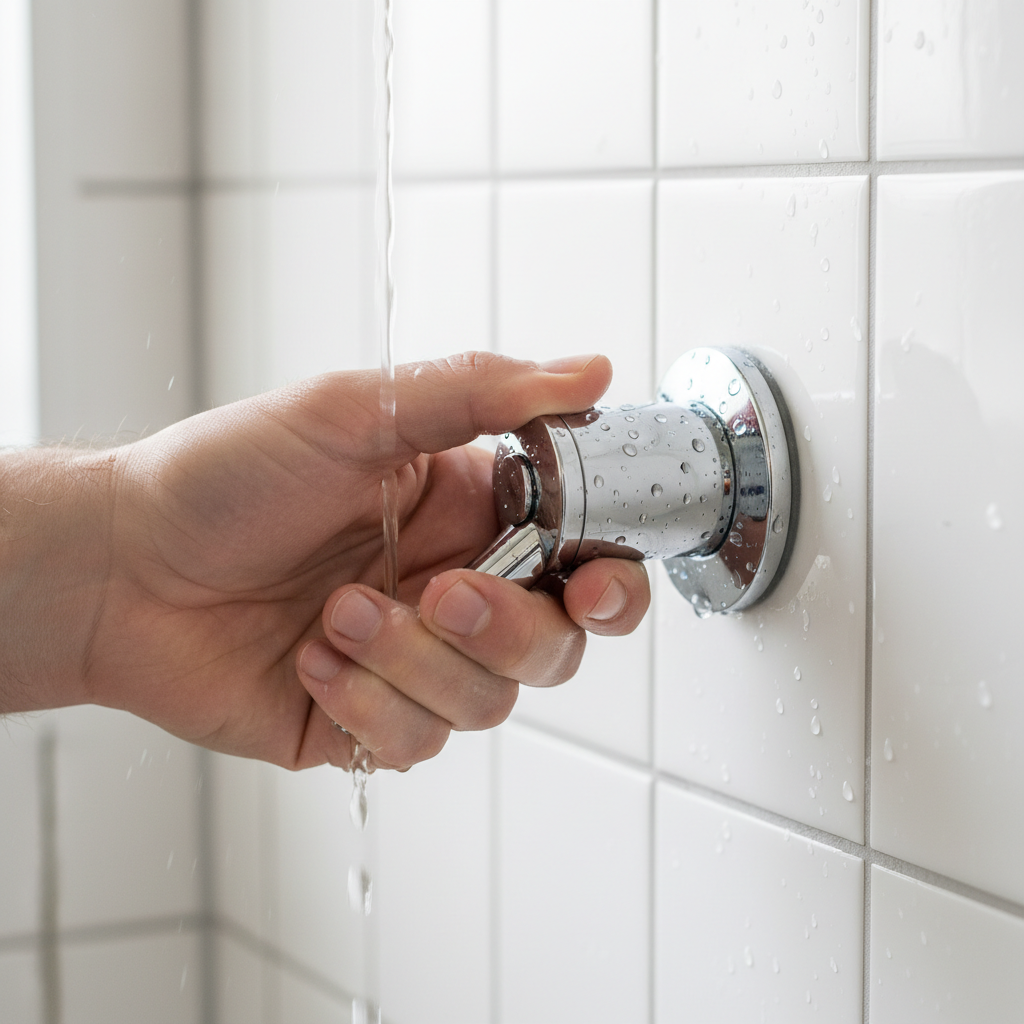
Even the most resilient finishes and premium substrates can be compromised by the chemistry of the water running through them. In many East Coast municipalities, including the Philadelphia and Dover areas, high mineral content is a persistent challenge for homeowners. Hard water contains elevated levels of calcium and magnesium, which, over time, manifest as stubborn scale buildup on high-end vanity faucets and fixtures. This calcification does more than dull the luster of polished nickel or matte black finishes; it can eventually corrode the internal valves and aerators, leading to leaks that threaten the integrity of the cabinetry below.
Natural stone countertops, such as marble or quartzite, are equally vulnerable to water chemistry. The porous nature of these luxury materials allows mineral-rich water to penetrate the surface, causing permanent staining or etching that cannot be simply wiped away. When a custom bathroom vanity is the central investment of a renovation, protecting its aesthetic and functional longevity requires a holistic approach to the home's utility lines.
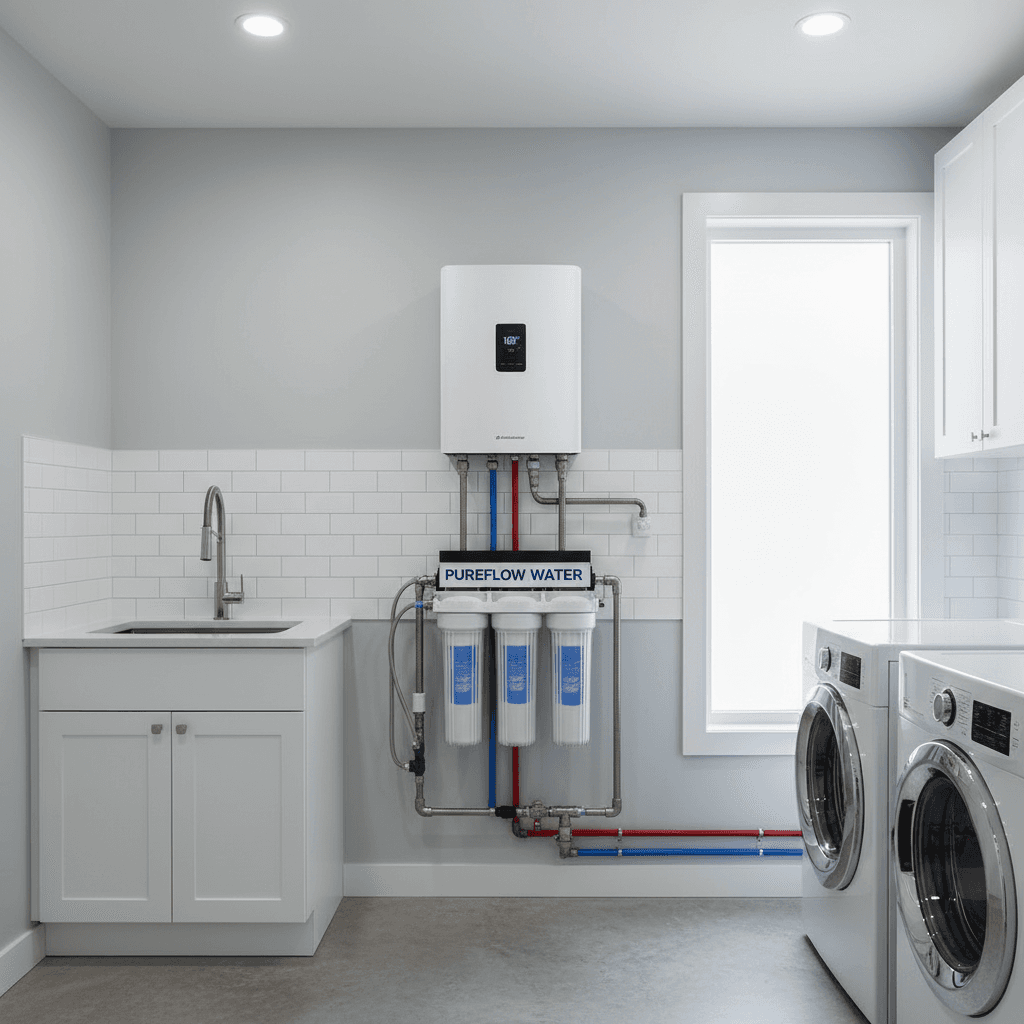
We recommend integrating professional water filter systems as a foundational component of a luxury bathroom remodel. By installing a whole-home softener or a point-of-use filtration unit, you remove the abrasive minerals before they ever reach your fixtures. This proactive measure prevents the chalky white residue that plagues glass vessel sinks and natural stone backsplashes. More importantly, it ensures that the internal components of your plumbing remain clear of obstruction, protecting the furniture-grade woodwork from the insidious damage of slow, mineral-induced leaks. Treating water quality as a structural requirement, rather than an afterthought, is what keeps a custom installation looking showroom-new for decades.
Choosing Materials for Longevity and Resale Value
Selecting materials for a custom bathroom vanity requires balancing visual depth with the physics of a wet environment. For wood species, rift sawn white oak remains a premier choice due to its linear grain and structural density, which provides a tactile, organic feel while resisting the warping common in lesser hardwoods. American walnut offers a more sophisticated, darker aesthetic; its natural stability makes it an ideal candidate for precision joinery. When opting for a painted finish, using closed grain woods like maple ensures a glass smooth surface that will not show grain telegraphing over time.
Countertop selection should be treated as a functional decision rather than a purely aesthetic one. While natural marble is the hallmark of a luxury bathroom remodel, its porous nature requires a disciplined maintenance routine to prevent staining. For homeowners prioritizing durability, engineered quartz offers a non porous alternative that mimics natural veining without the vulnerability to acidic soaps or hard water. Integrating these high performance materials with the advanced waterproofing solutions discussed previously ensures the vanity remains a high value asset, anchoring the room’s elegance and maximizing resale value through intentional, durable design.
Investing in a furniture grade vanity transforms your bathroom into a true sanctuary. By focusing on structural integrity and refined materials, you create a piece that stands the test of time. While the details of custom design can feel overwhelming, you do not have to navigate the process alone. If you are looking for expert guidance to bring your vision to life, we specialize in creating Luxury Bathrooms that balance beauty with lasting quality. Our team is here to help you design a space that feels uniquely yours.