Investing in basement waterproofing before finishing luxury basement projects protects high-end renovations from costly moisture damage and structural issues. This strategy typically yields a thirty to fifty percent return on investment by increasing the total home value and ensuring the long term durability of the finished space.
Investing in a luxury basement renovation represents a significant commitment to both lifestyle and property value. However, the most sophisticated design elements, ranging from bespoke media walls to temperature controlled wine cellars, remain vulnerable to the hidden threat of moisture. There is nothing more disheartening than seeing exquisite Italian marble or custom millwork compromised by poor site preparation. At Limitless Interiors, we believe that true luxury begins with structural integrity; this foundation allows for peace of mind beneath the aesthetic surface. This guide explores why comprehensive waterproofing is the ultimate return on investment strategy for high end homes. You will discover the specific risks of bypassing moisture barriers, the essential technical steps required before construction begins, and the latest 2025 design trends. We will also address complex questions regarding insurance coverage and potential tax implications to ensure your investment remains protected.
The Foundation of a High End Basement Renovation
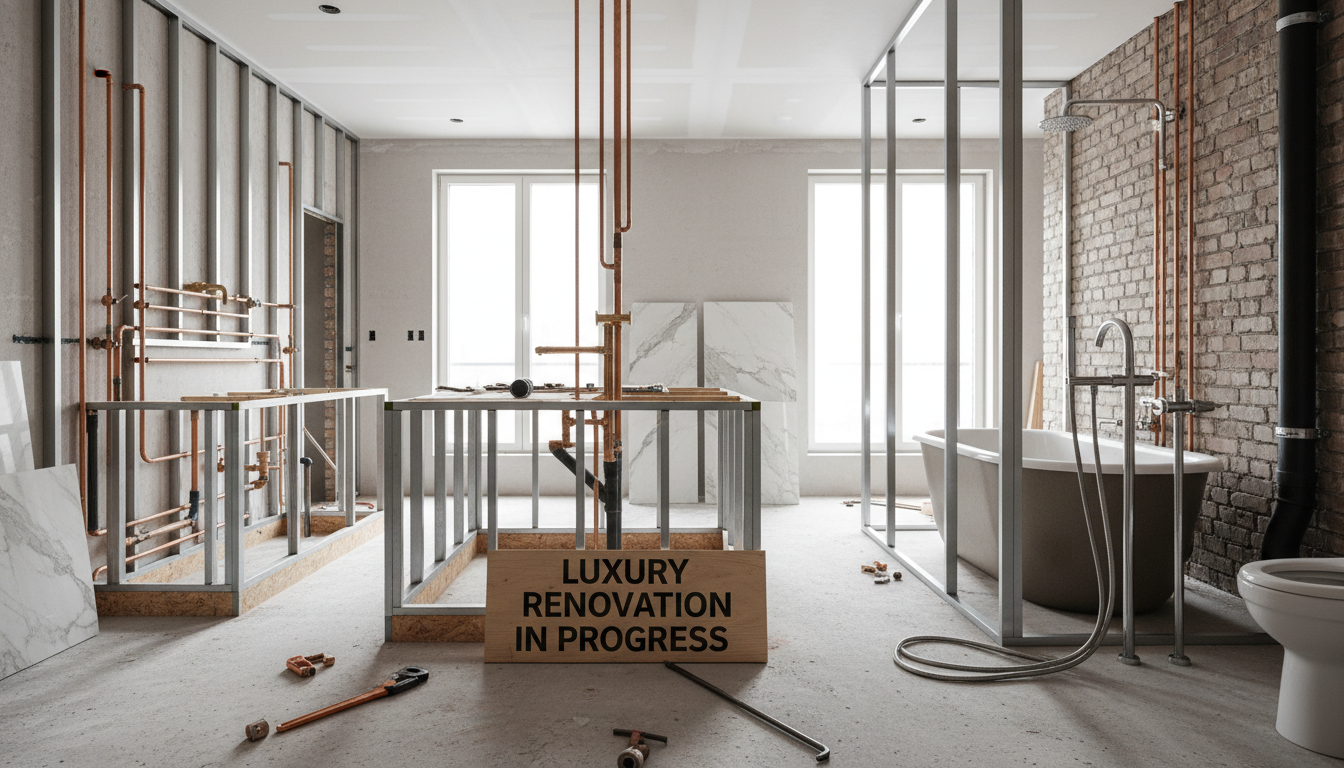
Transforming a subterranean level into a high end living area represents a significant capital investment that extends far beyond simply adding square footage. In the world of premium renovations, true luxury starts where you cannot see it. A common oversight among homeowners is prioritizing visible aesthetics, such as Italian marble or custom media walls, while neglecting the structural health of the building envelope. Without a stable, dry environment, even the most expensive finishes are susceptible to degradation.
For Philadelphia homeowners, the necessity of moisture control is particularly acute. Our region’s aging foundations are often composed of porous stone or brick, which naturally invites groundwater seepage. In these environments, investing in professional waterproofing services is not an optional upgrade; it is a technical prerequisite for professional grade results. Completing basement waterproofing before finishing luxury basement projects ensures that your investment in custom millwork and high end flooring remains protected from hydrostatic pressure and vapor transmission. By securing the structural integrity of the site first, you provide a safe, climate controlled canvas for sophisticated design and long term property appreciation. This proactive approach separates a standard renovation from a truly high capital asset.
Protecting Your Investment: What Is the ROI of Basement Waterproofing?
Analyzing the return on investment (ROI) for moisture mitigation requires looking beyond immediate equity gains. While industry data suggests the direct ROI of professional waterproofing services typically ranges between 30 and 50 percent of the installation cost, this figure alone underestimates the true financial utility. The primary economic driver for high end projects is loss prevention. A comprehensive waterproofing system generally costs between $3,000 and $10,000; this is a modest figure when contrasted against the catastrophic expense of replacing a $50,000 custom media walls or a $30,000 subterranean fitness suite due to a single heavy rainfall event or foundation seepage.
In the Philadelphia real estate market, a dry and climate controlled basement translates to a 3 to 10 percent increase in total home value. This appreciation occurs because waterproofing officially converts vulnerable storage areas into viable, livable square footage that appraisers can confidently value. Conversely, neglecting basement waterproofing before finishing luxury basement designs can lead to a valuation penalty of 10 to 25 percent if moisture issues are detected during a pre-sale inspection.
Investment Type | Typical Cost Range | Potential Loss Protected | Appraisal Impact |
|---|---|---|---|
Technical Waterproofing | $3,000 to $10,000 | Infrastructure and Finishes | +3% to +10% |
$25,000 to $60,000 | Millwork and Stone | Significant | |
Premium Media Wall | $40,000 to $80,000 | Electronics and Custom Carpentry | Significant |
Waterproofing functions as a non negotiable insurance policy for your capital improvements. It does not merely lift your home above comparable properties; it prevents your property from falling below them. By securing the perimeter and managing hydrostatic pressure, you ensure that every dollar spent on premium stone, bespoke cabinetry, and smart home technology is anchored in a stable environment. This proactive financial strategy shifts the focus from simple renovation to long term asset protection.
The Risks of Skipping Waterproofing in Luxury Designs
The primary threat to a high end basement is not always a sudden flood; it is often the slow, silent intrusion of water vapor. Even without standing water, vapor transmission through porous concrete slabs can saturate the air, leading to sustained high humidity levels. This moisture is particularly destructive to premium materials. For instance, bespoke millwork and walnut cabinetry used in custom media walls are hygroscopic, meaning they absorb moisture from the environment. This causes the wood to swell, warp, and eventually rot, rendering precision joinery useless. Similarly, while marble may seem impervious, it is a porous natural stone; trapped moisture can lead to efflorescence or permanent staining from the inside out.
Distinguishing between dampness and flooding is vital for risk management. A basement that feels slightly damp is already failing to protect your assets. High humidity creates an ideal breeding ground for mold and mildew behind expensive drywall and within the porous foam of tiered theater seating. These issues are often invisible until the scent of mustiness permeates the home, signaling that the indoor air quality has been significantly compromised. Implementing professional waterproofing services before the design phase addresses these subterranean microclimates effectively.
By prioritizing basement waterproofing before finishing luxury basement projects, you safeguard both the physical components and the environmental health of the space. Luxury finishes like radiant floor heating or a luxury bathroom renovation require a dry substrate to function correctly and remain under warranty. Without this foundation, the very elements intended to provide comfort and value become liabilities that require costly demolition and remediation. Professional moisture mitigation ensures that the air you breathe is as refined as the surroundings you inhabit.
Essential Waterproofing Steps Before the First Stud Is Placed
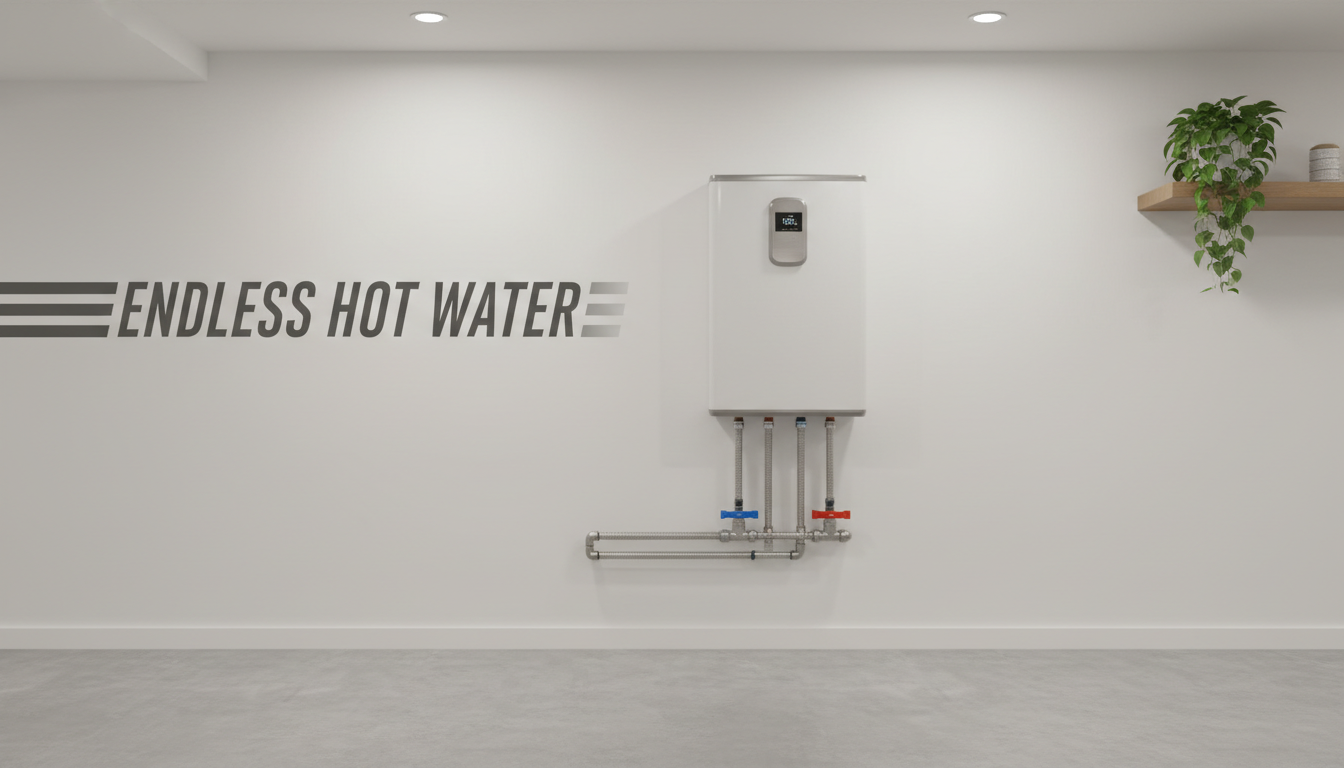
The technical phase of a renovation begins with a comprehensive site analysis to identify water entry points before the first stud is ever placed. In Philadelphia, this often involves unique structural constraints. Many properties are older row homes where exterior excavation is physically impossible due to proximity to neighboring foundations or city sidewalks. For these urban structures, managing water from the inside out is the only viable path to a dry environment. The process starts with identifying active seepage and addressing foundation cracks using professional epoxy or polyurethane injections, which provide a flexible seal against hydrostatic pressure.
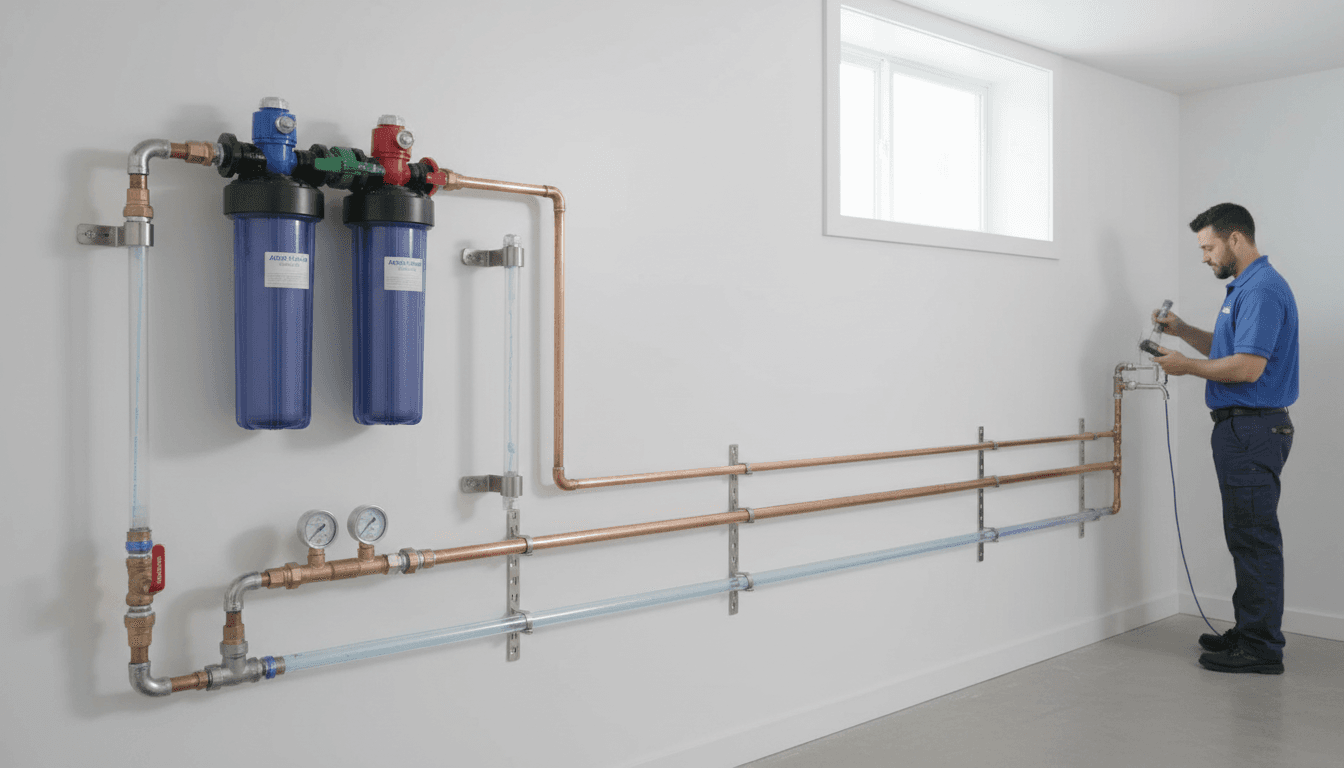
Once the structural envelope is secure, the interior strategy focuses on water management. A high performance interior perimeter drainage system is installed by trenching the concrete floor along the footings. This channel intercepts groundwater and directs it toward a sump pit. For a subterranean space intended to house expensive electronics or custom media walls, a standard single pump is insufficient. We recommend a high capacity dual pump system equipped with a dedicated battery backup to ensure functionality during the heavy regional storms and power outages common in the Northeast.
Component | Function | Luxury Requirement |
|---|---|---|
Interior Perimeter Drain | Collects water at the footer | Full perimeter coverage |
Dual Sump Pump | Primary and secondary water removal | Battery backup + high GPH rating |
Foundation Injection | Fills cracks and voids | Professional grade flexible resins |
Vapor Barrier | Prevents moisture transmission | Anti-microbial, high-mil liner |
The final layer of protection involves installing a high grade vapor barrier. This heavy duty liner is sealed directly to the foundation walls, preventing water vapor from reaching the wooden framing and fiberglass insulation. Executing these steps for basement waterproofing before finishing luxury basement projects isolates the living area from the porous masonry. Only after these professional waterproofing services are tested and verified should the framing for a luxury bathroom renovation or theater room commence, ensuring the environment is as controlled as an above ground suite.
Luxury Basement Ideas for 2025: From Media Walls to Spa Bathrooms
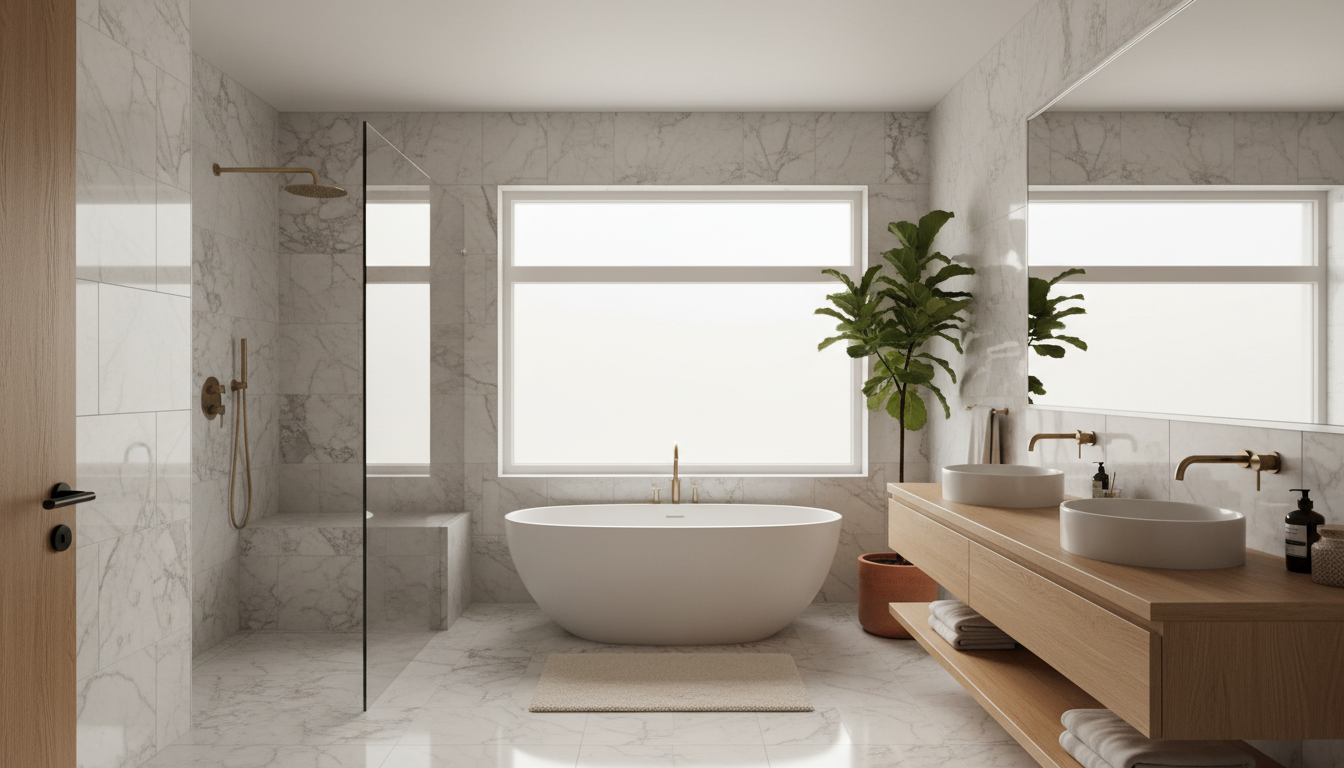
Once the subterranean environment is stabilized and sealed, the focus shifts to the architectural elements that define a high-end living space. For 2025, the trends favor integrated, multifunctional zones that rival the main floors of the home. Custom media walls remain a centerpiece, but the execution has evolved into architectural focal points featuring floor-to-ceiling millwork, book-matched stone, and recessed LED lighting that accents the fine joinery. Implementing basement waterproofing before finishing luxury basement projects is what makes these installations possible; without it, the ambient moisture would inevitably cause the precision-cut wood panels to expand and ruin the flush alignment required for high-end electronics.
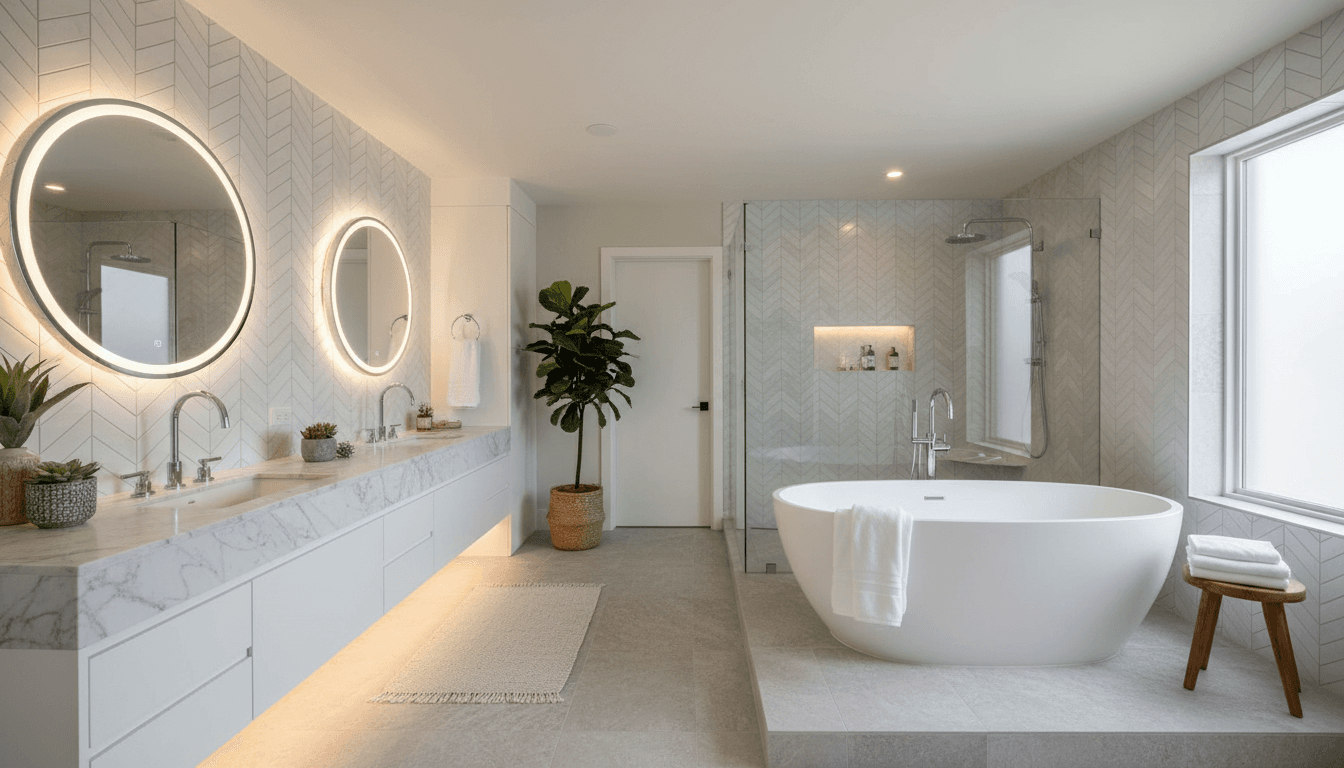
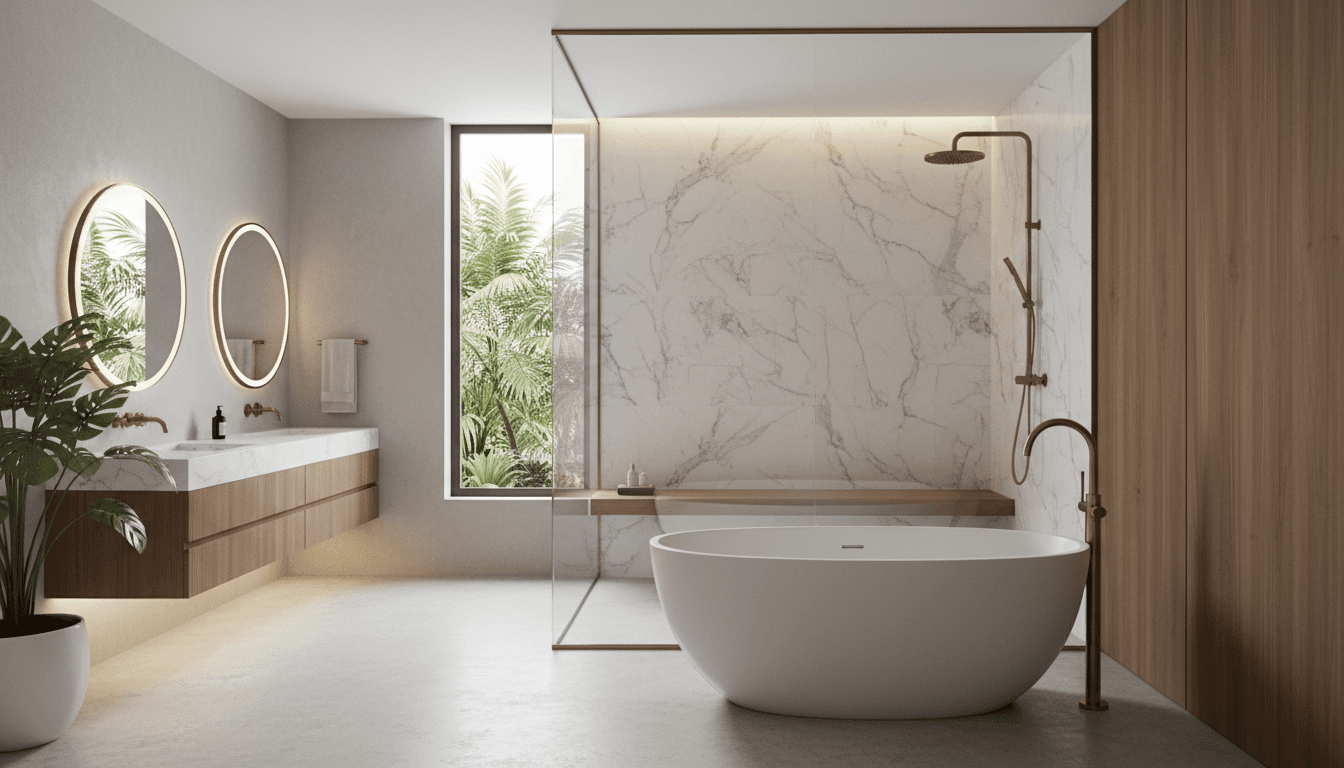
The 2025 subterranean spa is another major shift. Homeowners are increasingly requesting a full luxury bathroom renovation that includes high-capacity steam showers and hydronic radiant floor heating. These features generate significant internal humidity, which, when combined with natural foundation vapor, could lead to rapid structural decay. However, modern waterproofing systems, including advanced vapor barriers and localized drainage, create a controlled environment where these amenities can coexist safely.
2025 Luxury Trend | Technical Requirement | Aesthetic Impact |
|---|---|---|
Integrated Media Walls | Humidity-controlled micro-climate | Seamless, gallery-style finish |
Steam Spa Suites | Double-layer vapor protection | Resort-level wellness at home |
Artisan Wet Bars | Floor-drain integration | Marble and bespoke cabinetry |
Bespoke wet bars are also trending toward tasting rooms rather than simple counters, featuring temperature-controlled wine walls and marble backsplashes. These heavy, expensive materials require a perfectly level, moisture-protected slab to prevent shifting or staining. By merging technical reliability with these sophisticated designs, the basement ceases to be a secondary area and becomes the premier destination within the residence.
Is Basement Waterproofing a Tax Write Off or Insurance Covered?
Homeowners frequently ask if professional waterproofing services qualify as a tax deduction. In most cases, waterproofing a primary residence is classified as a capital improvement rather than a direct tax write off. While you cannot deduct the cost from your annual income taxes, these expenses are added to your property’s cost basis. By increasing the basis, you potentially reduce your capital gains tax liability when you eventually sell the home. This financial advantage is particularly relevant after completing a high value project like a luxury bathroom renovation or the installation of custom media walls.
Regarding insurance, standard policies rarely cover the cost of preventative basement waterproofing before finishing luxury basement projects. Insurance is designed for sudden, accidental events, not gradual maintenance or structural upgrades. However, failing to install these systems can be costly. If a finished basement suffers water damage and lacks professional moisture mitigation, insurers may deny claims based on negligence or seepage exclusions. Furthermore, documenting your waterproofing measures can sometimes help secure better coverage terms for subterranean living areas. Investing in these systems serves as a critical layer of defense, ensuring that your insurance remains a valid safety net rather than a denied request due to preventable environmental risks.