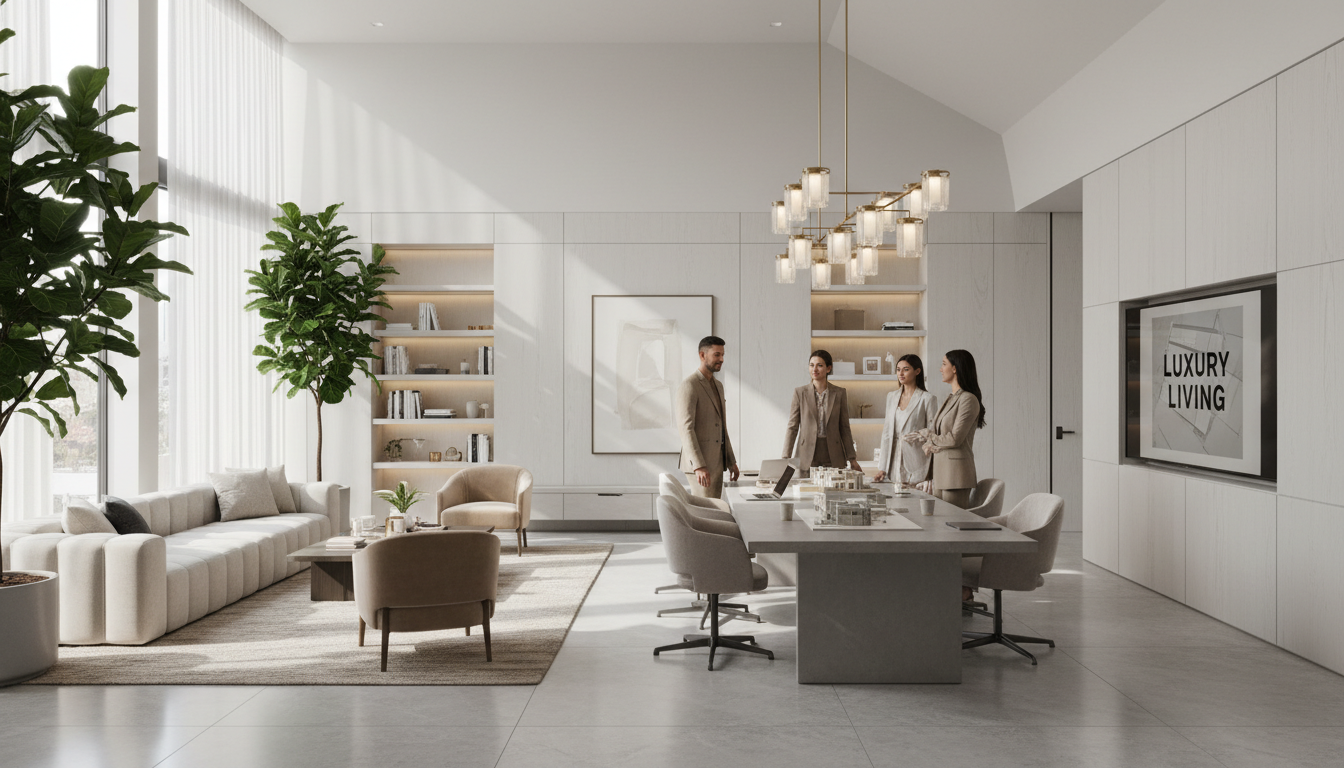
Professional design services typically increase property value by 10 to 15 percent; however, the highest interior design ROI comes from strategic upgrades to kitchens, bathrooms, and energy efficient systems. Integrating luxury trends like warm minimalism and smart home technology maximizes resale value by appealing to contemporary buyer preferences. These targeted improvements ensure a significant financial return while protecting the long term value of the residence.
Most homeowners view a luxury renovation as a passion project; however, without a strategic lens, high-end aesthetics can quickly become expensive liabilities. The challenge lies in distinguishing between personal indulgence and measurable appreciation. When you invest significantly into a property, you deserve to know which finishes will command a premium at resale and which will merely disappear into the background. At Limitless Interiors, we believe that sophisticated design should be as fiscally responsible as it is beautiful. This guide examines the specific upgrades that drive significant ROI in the luxury market. You will learn how gourmet kitchens and custom media walls serve as modern value drivers. We will also explore the invisible infrastructure, such as advanced water systems, that protects your equity. Finally, we highlight the common pitfalls where luxury fails to recoup its costs, ensuring your home remains a high-performing asset.
Understanding Interior Design ROI in the Luxury Market
In the luxury real estate markets of Philadelphia and Dover, interior design ROI is measured by more than visual appeal; it is a strategic financial lever. While subjective value represents the personal joy found in a specific color palette, market value is determined by what a discerning buyer is willing to pay. For high-end residences in the Delaware Valley, professional design typically commands a 10 to 15 percent premium on the final property value. This increase is driven by the transition from generic luxury to intentional, high-performance environments.
Appraisers currently favor designs that lean into Modern Heritage and Warm Minimalism. These styles move away from the sterile, cold minimalism of the last decade and toward spaces that feel authentic and layered. By incorporating architectural details such as fluted millwork and organic textures, homeowners create a sense of permanence that translates directly into equity. This professional approach mitigates the risk of personalization debt, which occurs when highly unique but polarizing choices force a price reduction during resale. Instead, sophisticated design focuses on cohesion, ensuring that every material choice serves the dual purpose of immediate luxury and long-term financial growth. Expertly executed interiors signal to buyers that the home has been maintained to the highest standard, justifying a significantly higher market entry point.
Luxury Bathroom Renovations: Where Every Square Foot Counts
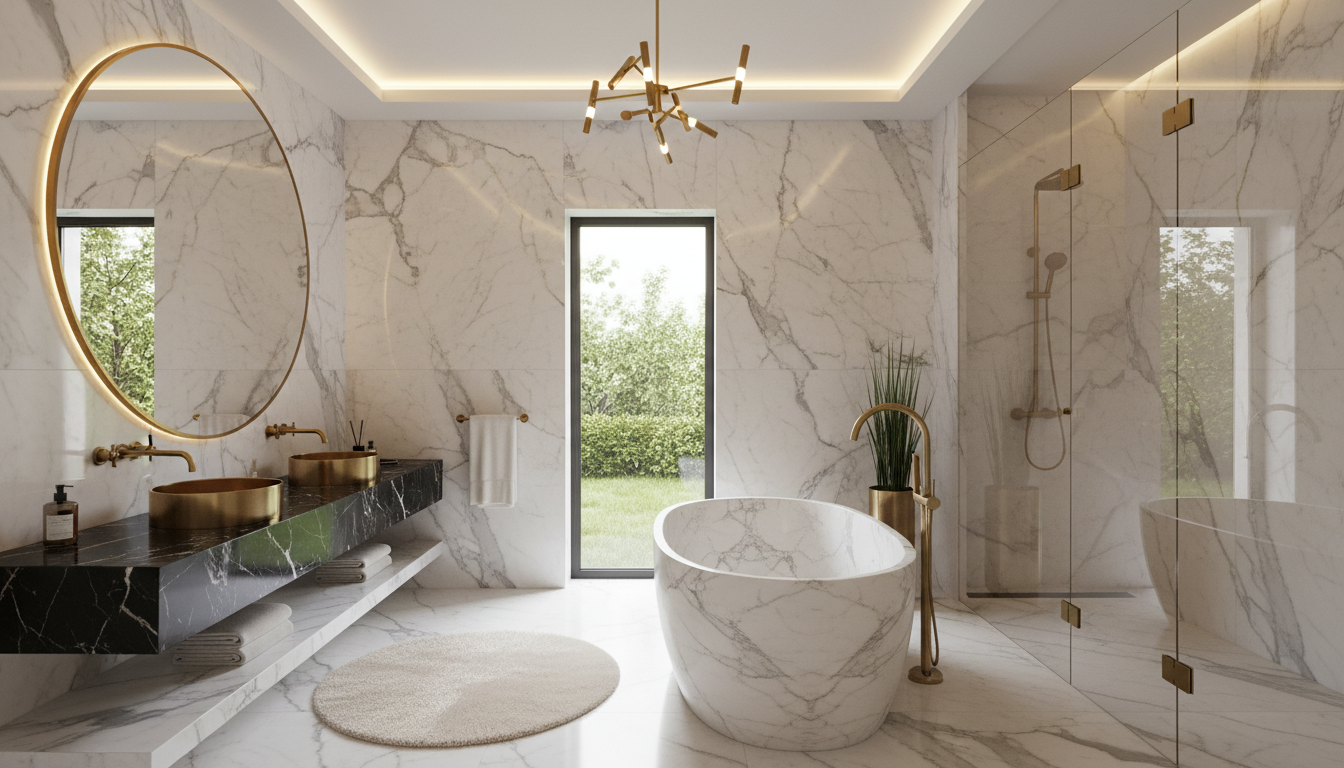
In the tightest corners of a home, every material choice carries immense financial weight. A luxury bathroom remodel is often the most scrutinized area during a private showing, directly influencing the perceived quality of the entire residence. Current market data indicates that minor to mid-range luxury bathroom renovations recoup approximately 70 percent of their initial costs, a significant return for a space with a relatively small footprint.
High-end buyers in the Delaware Valley no longer view spa-like amenities as optional upgrades; they are fundamental requirements for luxury status. The transition from generic builder-grade finishes to the 2026 Organic Luxe trend marks a shift toward tactile, high-quality materials. Where standard renovations might rely on thin porcelain tiles and basic chrome fixtures, a value-driven luxury upgrade utilizes natural textures and integrated technology to create a sanctuary.
Focusing on high-impact features is essential for maximizing ROI. Specifically, curbless walk-in showers with linear drains provide a seamless visual flow that makes bathrooms appear larger and more sophisticated. Replacing standard shower units with recessed rainfall heads and thermostatic valves adds a layer of functional luxury that appraisers recognize as a premium tier.
Feature | Market Impact | 2026 Design Standard |
|---|---|---|
Curbless Shower | High | Seamless entry with large-format natural stone |
Vanity Surfaces | High | Natural marble or thick-mitered quartzite |
Water Fixtures | Medium | Multi-function rainfall heads and matte finishes |
Flooring | Medium | Radiant heating beneath organic-textured tile |
Ultimately, the value lies in the precision of the execution. Moving away from cold, mass-produced aesthetics in favor of marble vanities and warm, organic wood tones ensures the space feels permanent and intentional. In the Philadelphia and Dover markets, these upgrades differentiate a property from the standard inventory, justifying a higher price point while providing a daily lifestyle upgrade that generic renovations cannot match.
The Gourmet Kitchen: Modern Heritage and High End Finishes
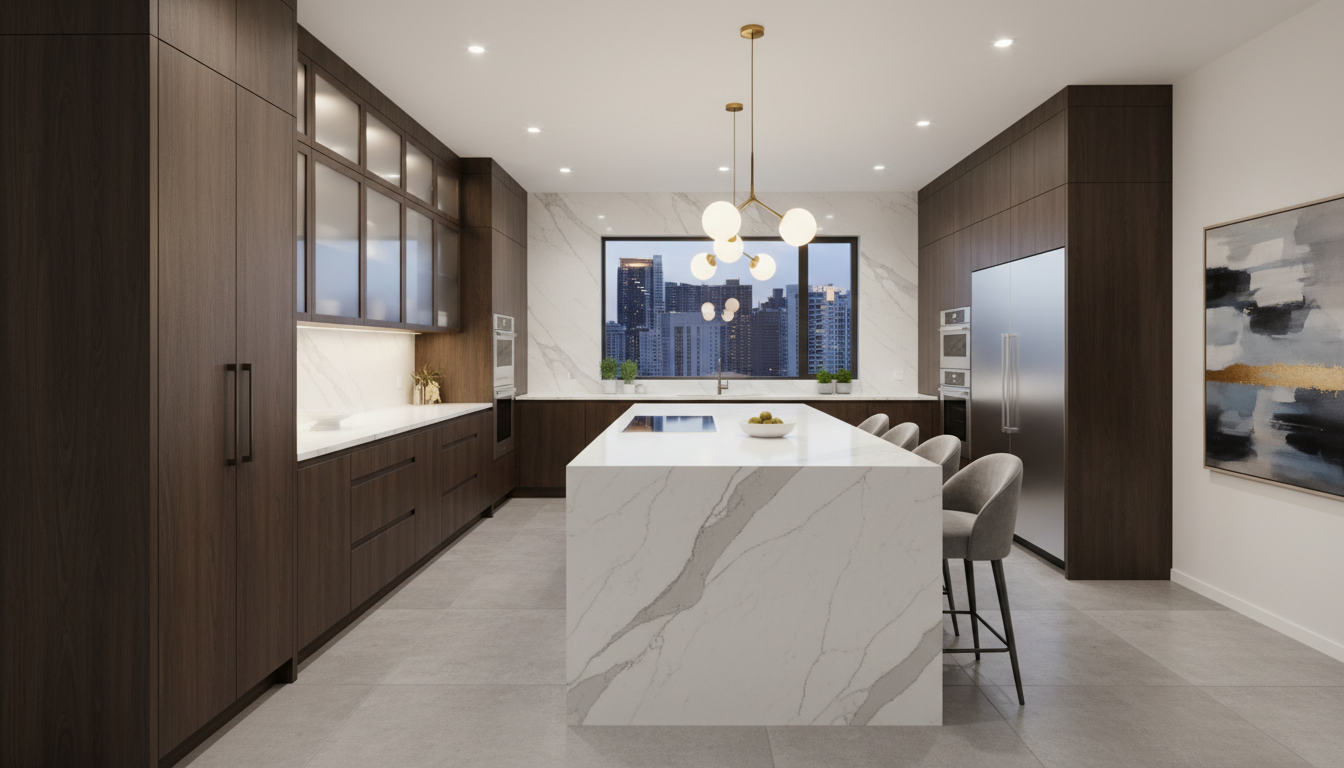
Moving from the private sanctuary of the bathroom to the social hub of the home, a high end kitchen renovation remains the undisputed leader in capital appreciation. Recent market assessments indicate that a well executed luxury kitchen can yield an interior design ROI of up to 87 percent. This significant return is driven by the room's dual status as both a high traffic utility space and the primary aesthetic anchor of a Philadelphia or Dover residence.
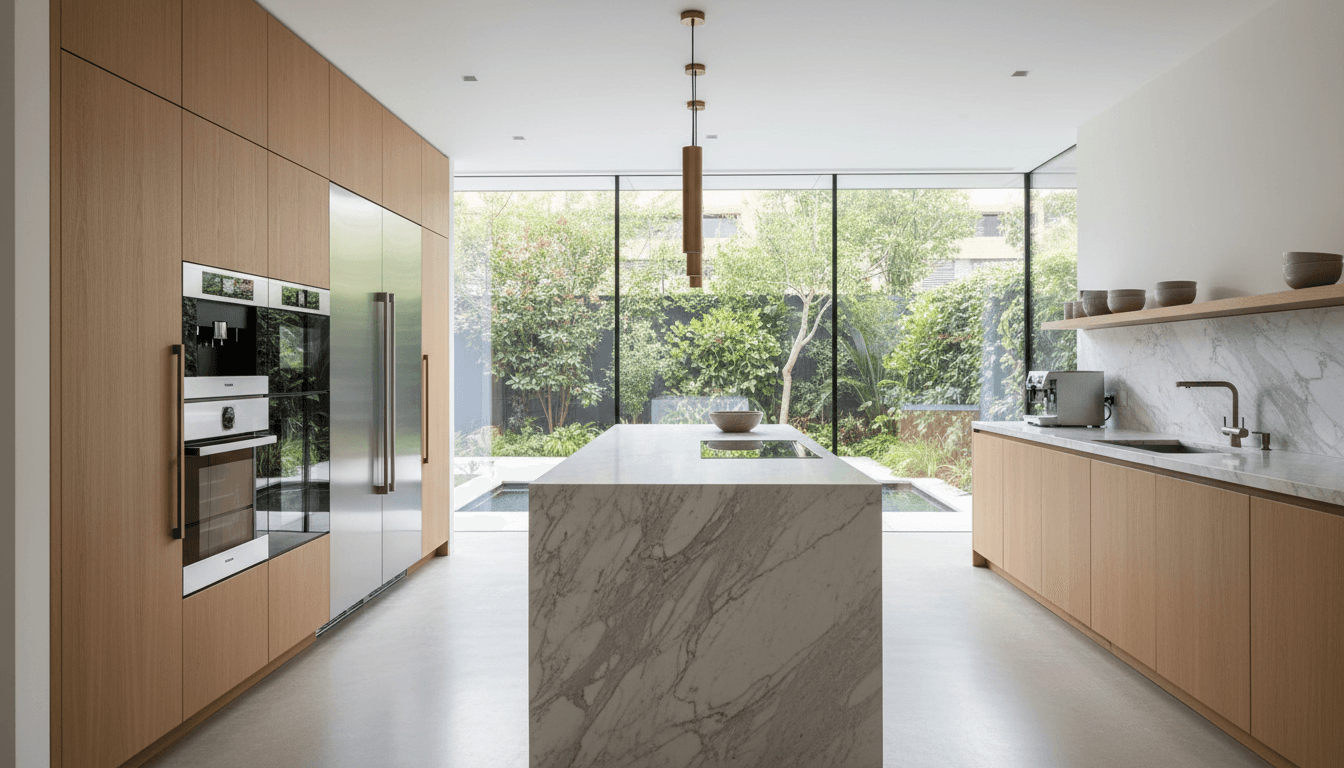
The current preference among discerning buyers has shifted toward the Modern Heritage aesthetic. This style avoids the sterile, high-gloss look of previous decades by pairing bespoke custom cabinetry with high-performance quartz or natural stone islands. To achieve the intentional look that professional appraisers prioritize, homeowners should focus on the tactile quality of the millwork. Incorporating fluted or reeded textures into cabinetry or island bases adds a layer of bespoke craftsmanship that distinguishes a professional renovation from standard builder upgrades.
Kitchen Component | ROI Impact | Strategic Selection |
|---|---|---|
Custom Cabinetry | High | Reeded millwork and integrated appliances |
Countertops | High | Mitered-edge Quartzite or high-performance Quartz |
Hardware | Medium | Solid brass or hand-finished bronze |
Lighting | Medium | Layered architectural lighting and statement pendants |
Longevity is the primary driver of long-term value. While bold, saturated colors offer immediate visual impact, they often lead to depreciation as trends cycle. Instead, the highest returns are found in mixed wood tones. Combining white oak accents with rich walnut or soft, painted neutrals creates a timeless palette that feels grounded and authentic. This approach ensures the kitchen remains a valuable asset through 2026 and beyond, providing a sophisticated environment that appeals to the market's highest tier.
Custom Media Walls: The 2026 Trend with Measurable Value
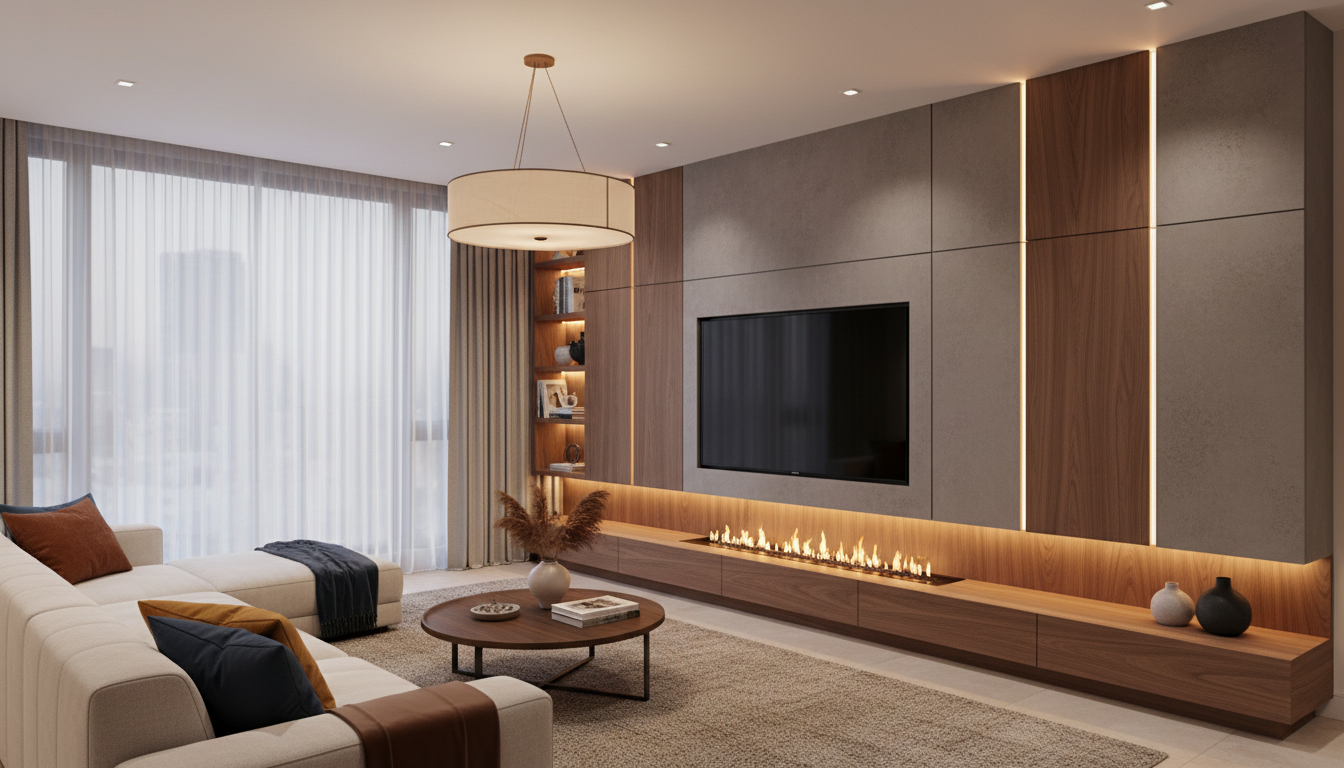
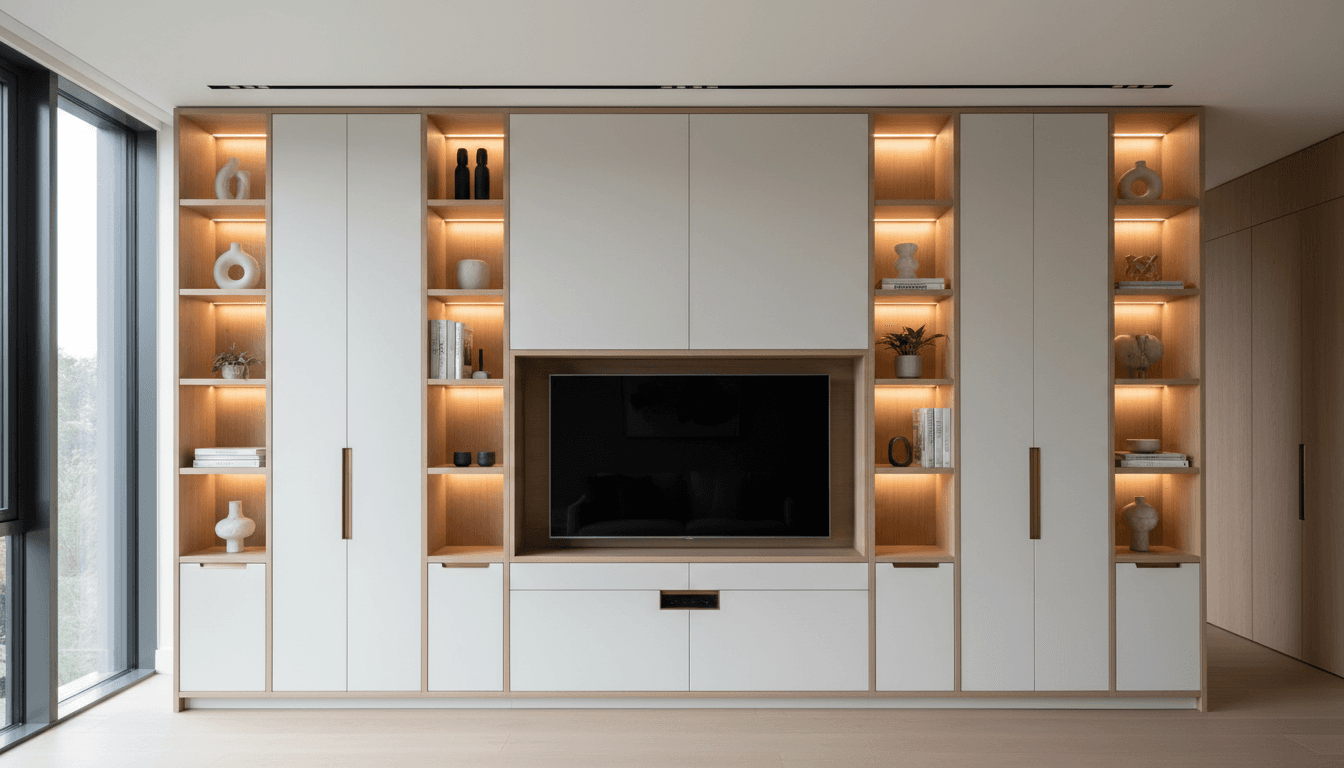
Transitioning the focus on bespoke millwork from the kitchen into the primary living areas reveals a significant opportunity for capital appreciation. High end buyers in Philadelphia and Dover are increasingly moving away from traditional, non-functional fireplaces or generic, freestanding TV stands that clutter a floor plan. Instead, custom media walls are emerging as the 2026 standard for increasing a home’s functional square footage. By integrating custom cabinetry, hidden cable management, and recessed shelving, these structures transform a standard wall into a sophisticated architectural anchor.
Unlike loose furniture that leaves with the seller, a professionally installed media wall is a permanent asset that appraisers view as a structural upgrade. This permanent installation serves as a singular focal point, often replacing the need for multiple expensive furniture pieces while maximizing space efficiency in open concept living rooms or luxury basements.
Feature | Functional Benefit | Market Value Contribution |
|---|---|---|
Integrated Tech | Conceals wiring and audio | High (modern tech readiness) |
Built-in Storage | Reclaims floor space | Medium (increased utility) |
Bespoke Millwork | Creates architectural depth | High (perceived craftsmanship) |
When calculating the interior design ROI for these installations, the value lies in technical foresight. Incorporating ventilated cabinetry for hardware and smart LED lighting ensures the wall remains relevant as home automation evolves. Utilizing the same fluted textures or wood species found in the kitchen creates the design cohesion that justifies a premium market entry point.
The Invisible ROI: Advanced Water Systems and Waterproofing
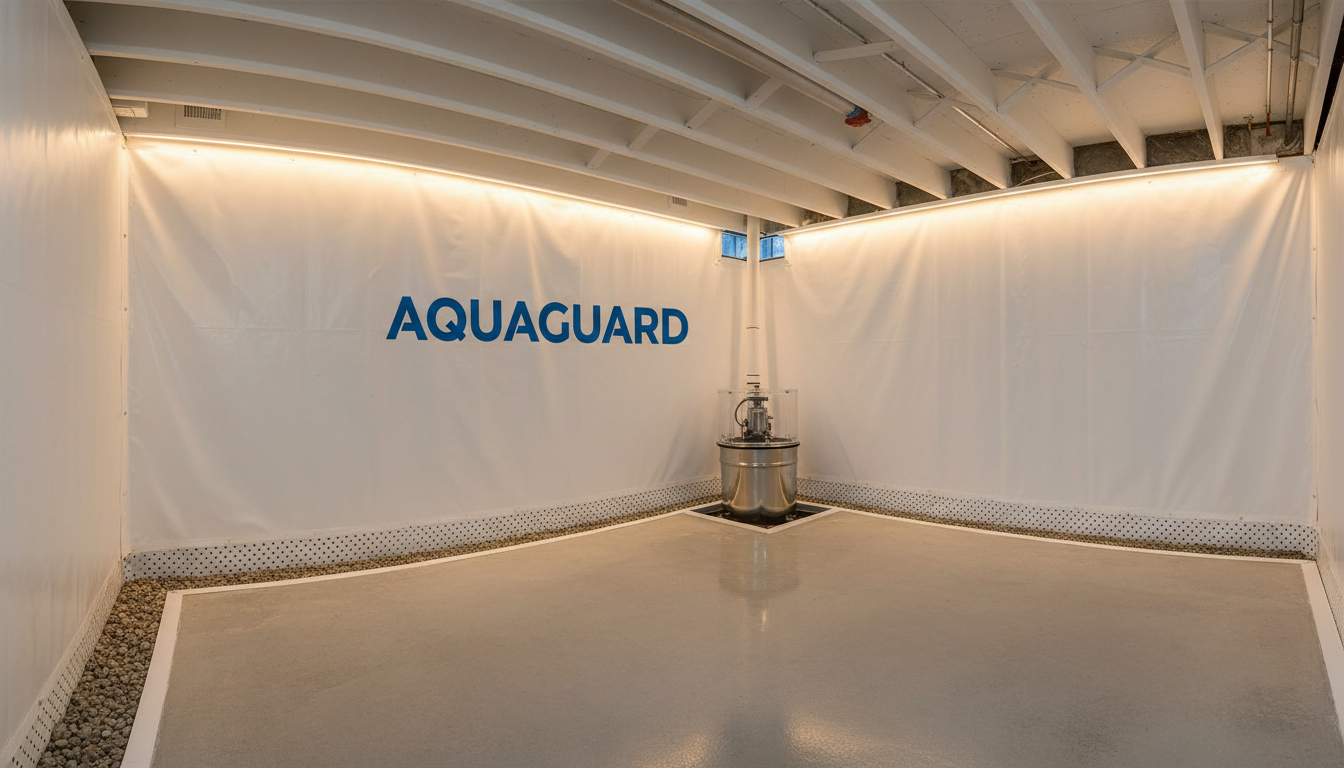
While visible finishes like reeded cabinetry and stone islands capture the immediate attention of prospective buyers, the long term protection of that investment relies on the systems hidden behind the walls. In the Philadelphia and Dover markets, savvy investors prioritize high end infrastructure to secure their interior design ROI. A luxury renovation is only as durable as the structure's integrity; without proper protection, premium materials like hardwood flooring and custom millwork are vulnerable to environmental degradation.
For regional homes, particularly those featuring finished basements or lower level media rooms, professional waterproofing is a non-negotiable prerequisite. Installing a comprehensive sump pump system and high grade moisture barriers does more than prevent active leaks. It removes the water damage history stigma that often devalues properties by tens of thousands of dollars during the inspection phase. A dry, certified basement provides the structural confidence necessary for a buyer to pay a premium for the square footage above it.
Infrastructure Feature | Functional Benefit | Financial Protection |
|---|---|---|
Tankless Water Heater | On-demand efficiency | Prevents flooding from tank failure |
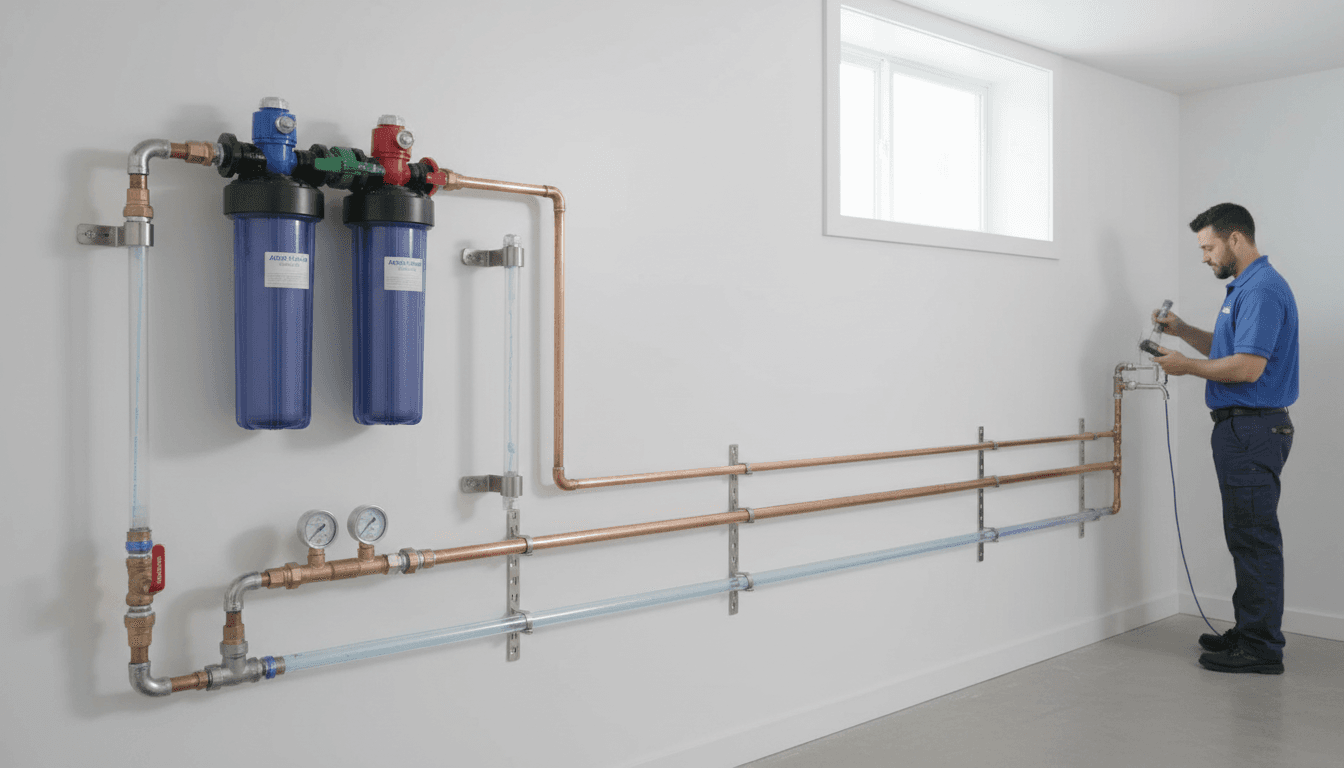
Whole-Home Filtration | Purified, soft water | Protects high-end plumbing finishes |
Sealed Sump System | Moisture and flood control | Prevents devaluation from water history |
Advanced water systems also offer the high performance living standards expected in the 2026 luxury market. Tankless water heaters provide the consistent volume required for multi-head rainfall showers, while point-of-entry water filtration systems protect expensive plumbing fixtures from the mineral buildup and corrosion common in older municipal lines. These invisible upgrades ensure that the craftsmanship of the home remains pristine for decades, transforming a standard renovation into a resilient, high-value asset.
How to Increase Home Value by 100k Through Design Cohesion
Achieving a six figure increase in market valuation requires moving beyond isolated renovations. While a high end kitchen adds significant equity, the leap from a $50,000 appraisal bump to a $100,000 premium is almost always driven by design cohesion. When a residence flows seamlessly, using a consistent palette of reeded millwork and organic textures from the kitchen into a matching custom media wall and finally into the primary suite, it creates a move in ready atmosphere that commands the highest market tier.
This continuity eliminates the cognitive dissonance buyers feel when luxury upgrades are surrounded by disjointed, builder grade finishes. Beyond the fiscal interior design ROI, there is a substantial Time ROI that is often overlooked. Professional designers manage over 200 hours of decision making and procurement per room, preventing the costly mid project pivots that erode profit margins. In the competitive Philadelphia and Dover markets, this level of coordination ensures that every square foot reinforces the property’s status as a unified, high performance asset.
Value Driver | $50,000 Increase Level | $100,000 Increase Level |
|---|---|---|
Design Scope | Isolated room upgrades | Whole home aesthetic continuity |
Buyer Perception | Updated | Turnkey Luxury Estate |
Material Palette | Varying per room | Curated, repeating finishes |
Execution | Fragmented contractors | Professionally managed cohesion |
Strategic Upgrades to Avoid: When Luxury Fails to Recoup Costs
Maximizing your interior design ROI requires avoiding hyper-personalization that alienates the broader market. Certain high-cost investments act as financial anchors rather than levers. Converting a functional bedroom into a permanent, niche space, such as an overly specific hobby room or a specialized recording studio, often forces buyers to calculate the cost of a reversal. This specialized utility typically results in a lower appraisal than a versatile, high-end bedroom.
The industry is also seeing a significant decline in the value of cold minimalism. Sterile, high-gloss environments are trending downward as buyers move toward the warmth of Modern Heritage. Furthermore, while a swimming pool is a classic luxury hallmark, it rarely returns 100 percent of its initial cost compared to interior upgrades like professional lighting or wide-plank hardwood flooring. These internal refinements offer universal appeal and structural permanence, whereas niche amenities or dated minimalist aesthetics can inadvertently cap a property's market potential in the Philadelphia and Dover regions.
Ready to Maximize Your Home's Value?
Every luxury upgrade should work twice: delivering the space you want to live in now, and the equity you want to cash in on later. At Limitless Interiors, we bring a contractor's precision to high-end renovations across Philadelphia, Dover, and the Delaware Valley. Whether you are planning a complete kitchen transformation, a spa-grade bathroom, or a custom media wall that anchors your living space, we will help you invest in the upgrades that genuinely pay back.
Contact us today for a consultation, or call (302) 342-7731 to discuss your project.