A custom kitchen renovation is worth the investment because it prioritizes high-quality structural components and functional layouts that ensure long-term durability and efficiency. By focusing on hidden infrastructure, specialized storage solutions, and timeless craftsmanship, homeowners avoid costly mistakes while creating a space that enhances both daily usability and property value.
Most homeowners realize too late that a beautiful kitchen is often just skin deep. You invest hundreds of thousands into a renovation, only to find that the drawers stick after a year, the water pressure is insufficient, or the luxury appliances are throttled by inadequate utilities. At Limitless Interiors, we believe that true luxury lies in the invisible details that support your daily life. A custom renovation is not merely a cosmetic upgrade; it is a fundamental reconfiguration of your home's infrastructure. In this guide, we will explore the critical craft decisions that differentiate a furniture grade kitchen from a mass produced one. You will learn about the importance of high performance utilities, the functional necessity of a professional scullery, and how hidden infrastructure choices ensure your investment retains its value for decades to come.
Why Most Luxury Kitchens Are Only Skin Deep
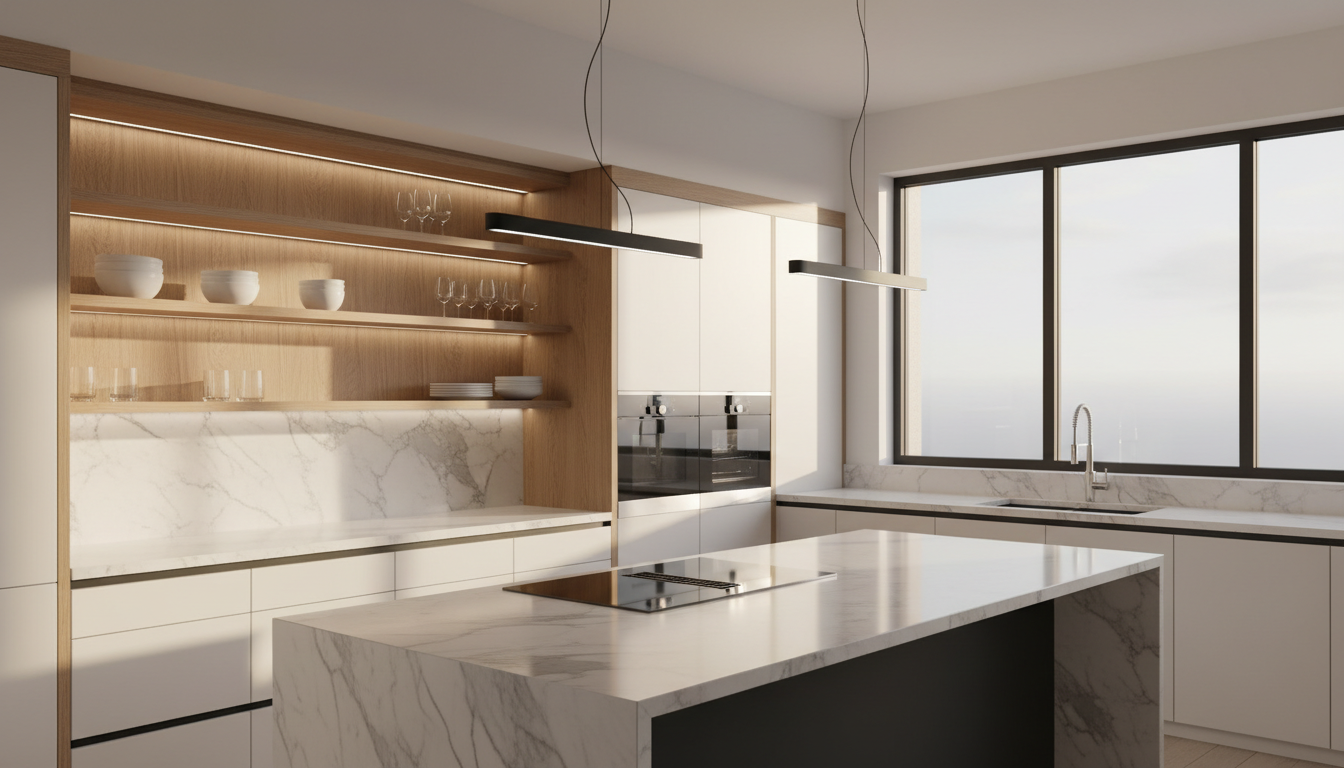
Many homeowners approach a custom kitchen renovation by selecting the jewelry first: the Italian marble backsplash, the designer gold toned faucet, or the smart refrigerator. While these finishes define the immediate visual impact, they often mask a renovation that is merely skin deep. True luxury is defined not by what is on the surface, but by the mechanical integrity underneath. At Limitless Interiors, we view the kitchen as the most complex mechanical system in a home; it is not simply a collection of cabinets and appliances.
The difference between an aesthetic refresh and a high performance renovation lies in the hidden layer. This includes the structural reinforcement required to support heavy stone islands, the precision of the electrical load for professional grade ranges, and, most importantly, the plumbing and water infrastructure. In Philadelphia and Dover, older homes often present unique challenges that standard contractors overlook. If you install a five thousand dollar faucet without addressing the water quality or the aging lines behind the wall, you are investing in a facade rather than a lasting asset.
The real return on investment for a custom kitchen renovation is found in these invisible details. A luxury kitchen must perform as well as it looks. This means prioritizing water filtration systems that protect your fixtures from mineral scale and ensuring that the cabinet boxes are constructed to endure decades of use. When the structural and mechanical components are executed with the same precision as the finish work, the result is a space that maintains its value and functionality long after the initial reveal.
Cabinet Grade Construction: The Furniture Grade Difference

The integrity of a custom kitchen renovation starts with the skeleton of the room. Many retailers market their products as "custom" because they offer various colorways and sizes, but this label often ignores the physical composition of the units. True cabinet grade construction utilizes 3/4 inch plywood for the cabinet boxes. This provides superior structural stability compared to the particle board or medium density fiberboard (MDF) commonly found in standard retail lines. Particle board is essentially compressed sawdust and glue; it is prone to swelling when exposed to moisture and lacks the mechanical strength required to hold hinge screws securely over thousands of cycles.
Precision joinery is another hallmark of furniture grade cabinetry. We prioritize dovetail drawer boxes, which rely on interlocking teeth rather than staples or nails. This mechanical bond ensures the drawer remains square and intact despite the weight of heavy cookware or frequent daily use. These boxes are paired with soft close, under mount slides that are concealed from view, maintaining a clean aesthetic while providing smooth, silent operation.
Feature | Standard Retail Cabinets | Limitless Furniture Grade |
|---|---|---|
Box Material | 1/2" Particle Board / MDF | 3/4" Birch Plywood |
Drawer Joinery | Butt Joints or Staples | English Dovetail |
Hardware | Side mount or Epoxy Slides | Undermount Soft Close |
Finish | Standard Lacquer | Post Catalyzed Conversion Varnish |
In the Philadelphia and Dover regions, local climate factors play a significant role in material selection. Our area experiences high seasonal humidity, which can cause significant expansion and contraction in natural wood. By using moisture resistant plywood and furniture grade finishes, we prevent the warping and racking often seen in older homes with fluctuating interior temperatures. These finishes also provide a higher level of protection against yellowing and chemical off gassing. When evaluating the high end kitchen renovation cost, investing in this level of craftsmanship ensures that the cabinetry remains as stable and vibrant in ten years as it was on the day of installation.
The Hidden Plumbing Layer: Designing for Water Quality

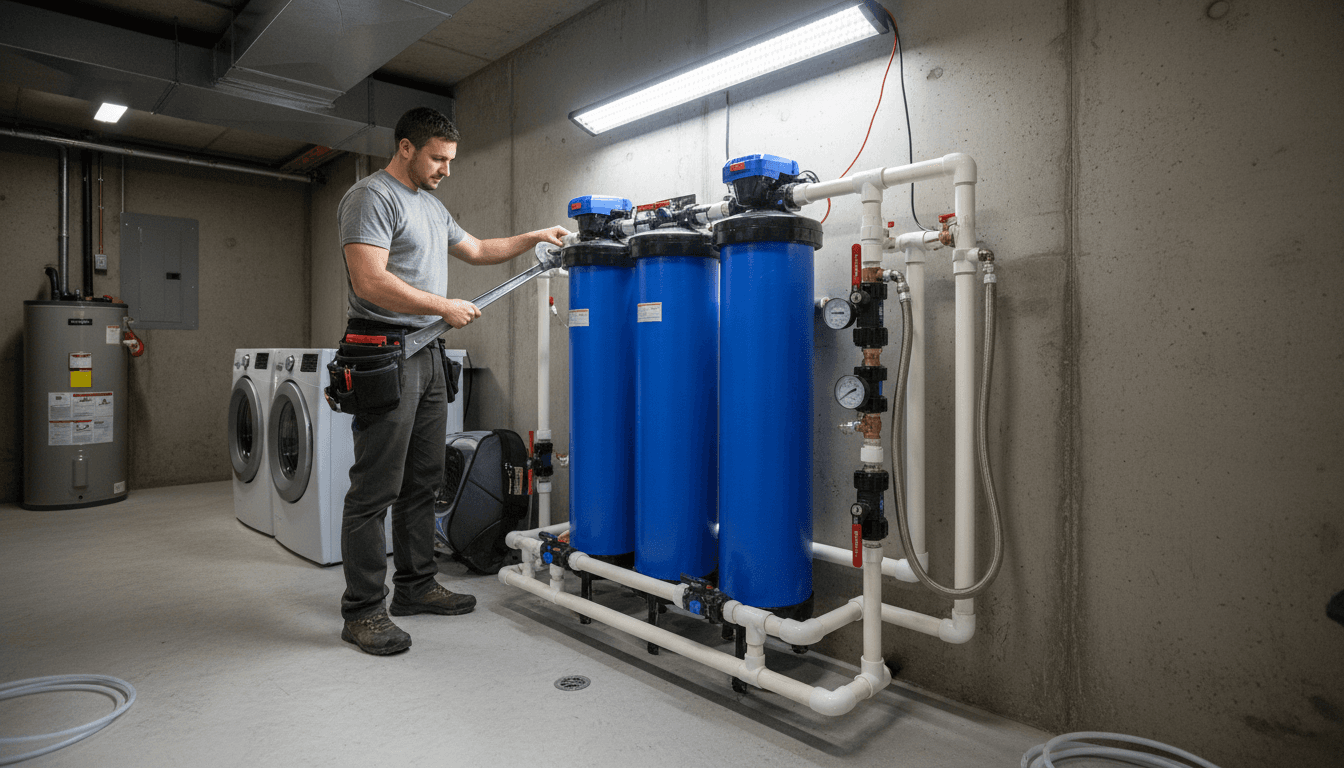
While the cabinetry provides the skeleton, the plumbing infrastructure serves as the circulatory system of a high performance kitchen. A common mistake in a custom kitchen renovation is allocating a significant portion of the budget to high end fixtures while ignoring the chemistry of the water flowing through them. In the Philadelphia and Dover areas, municipal water often contains high levels of mineral content. This hard water leads to calcium buildup that can seize the ceramic cartridges of a five thousand dollar Italian faucet within twenty four months. Without proper mitigation, your investment in luxury aesthetics is undermined by predictable mechanical failure.
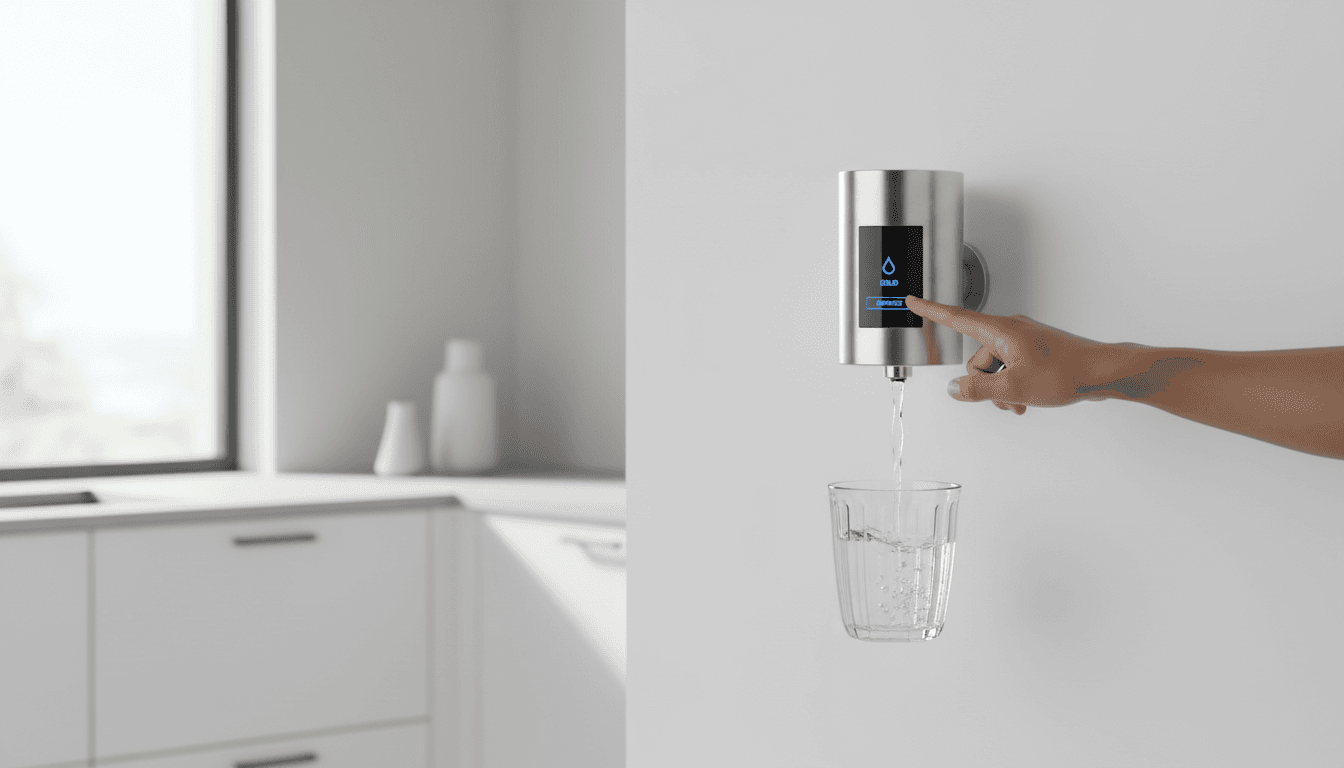
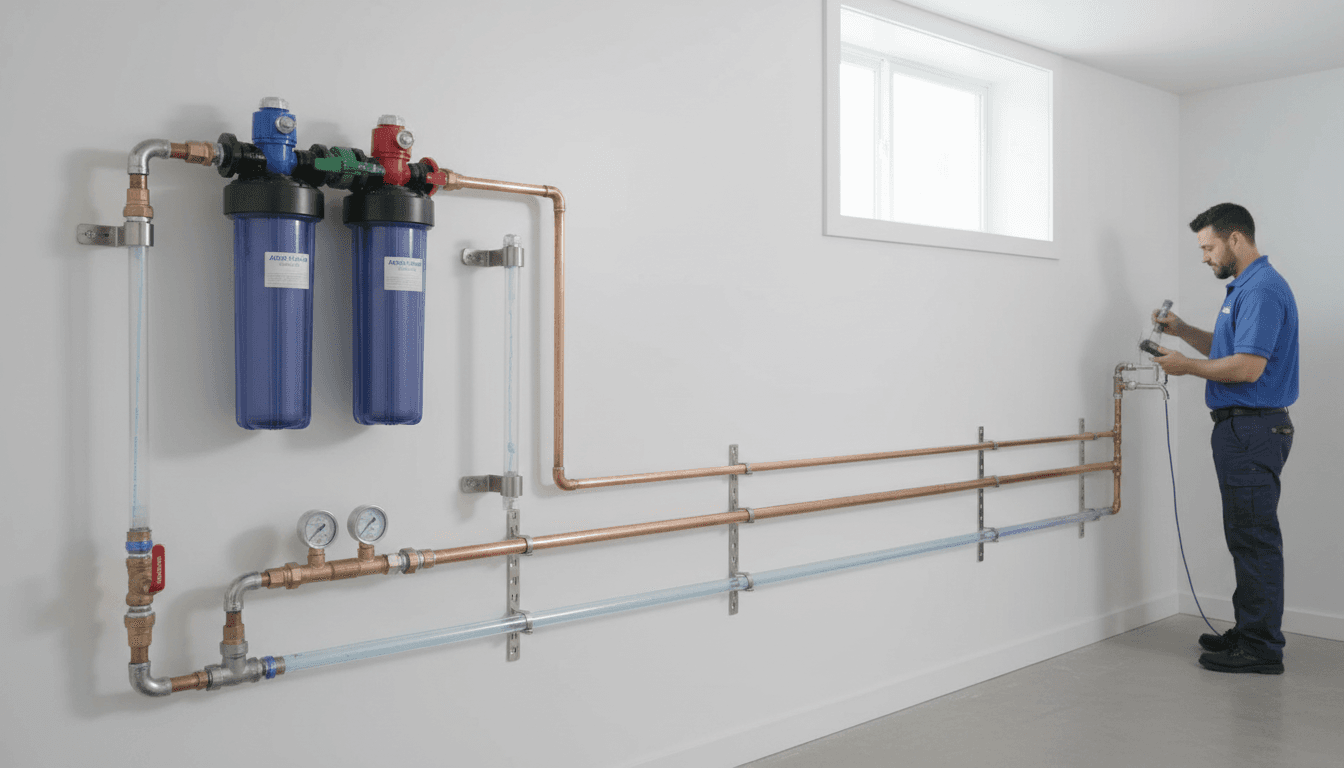
Our water and design package addresses this by treating the kitchen as a technical environment. We advocate for a Water plus Design philosophy, where the infrastructure is prioritized alongside the visual elements. During the rough in phase, we integrate advanced filtration systems directly into the plumbing manifold. This is the optimal time to install whole home water filtration or dedicated reverse osmosis units at the sink. These systems remove chlorine, heavy metals, and scale forming minerals, protecting the internal valves of expensive appliances like steam ovens and designer pot fillers.
Water Issue | Impact on Luxury Fixtures | Proposed Infrastructure Solution |
|---|---|---|
Mineral Scale | Ruined valves and clogged sprayers | Whole-home water softener or scale inhibitor |
Chlorine / Taste | Impairs cooking and beverage quality | Carbon block filtration |
Heavy Metals | Health concerns and finish pitting | Multi-stage Reverse Osmosis (RO) |
Addressing these concerns at the outset ensures that the high end kitchen renovation cost translates into long term reliability. By engineering the water quality to match the caliber of the fixtures, you prevent the premature degradation of components that are often difficult and expensive to replace once the backsplashes and countertops are finalized. This foresight differentiates a superficial remodel from a professional grade renovation designed to perform for decades.
The Rise of the Professional Scullery and Functional Infrastructure
The evolution of the custom kitchen renovation involves moving beyond the traditional open plan layout toward the rise of the professional scullery. This shift represents the 2026 move toward quiet luxury, where high traffic functions are partitioned from the primary entertaining space. Unlike the 2024 trends that prioritized massive, showy islands at the expense of actual workflow, modern high performance kitchens utilize integrated pantries and secondary back of house prep zones. This ensures the main kitchen remains a clean, architectural focal point while the heavy utility work occurs elsewhere.
From an infrastructure perspective, a scullery requires the same level of advanced planning as the primary kitchen. This includes dedicated plumbing lines for secondary dishwashers and prep sinks, along with high capacity drainage systems. The electrical load must also be calculated for hidden appliance banks; ensuring that coffee systems, steam ovens, and stand mixers have the dedicated circuits necessary to operate simultaneously without tripping breakers. This level of functional infrastructure is what justifies the high end kitchen renovation cost in the luxury market.
Feature | 2024 Outdated Trends | 2026 Professional Infrastructure |
|---|---|---|
Layout Philosophy | Open plan with exposed clutter | Quiet luxury with partitioned utility |
Appliance Strategy | Visible, showy stainless steel | Fully integrated and hidden cabinetry |
Island Function | Catch-all for prep and dining | Clean architectural social surface |
Infrastructure | Standard single-zone utilities | Multi-zone plumbing and electrical |
Designing for these zones during a water and design package consultation allows for the seamless integration of water filtration at every point of use, from the scullery prep sink to the main island bar faucet. By prioritizing workflow over mere square footage, the renovation creates a space that is as technically capable as a professional kitchen but as refined as a gallery.
High Performance Appliances Demand High Performance Utilities
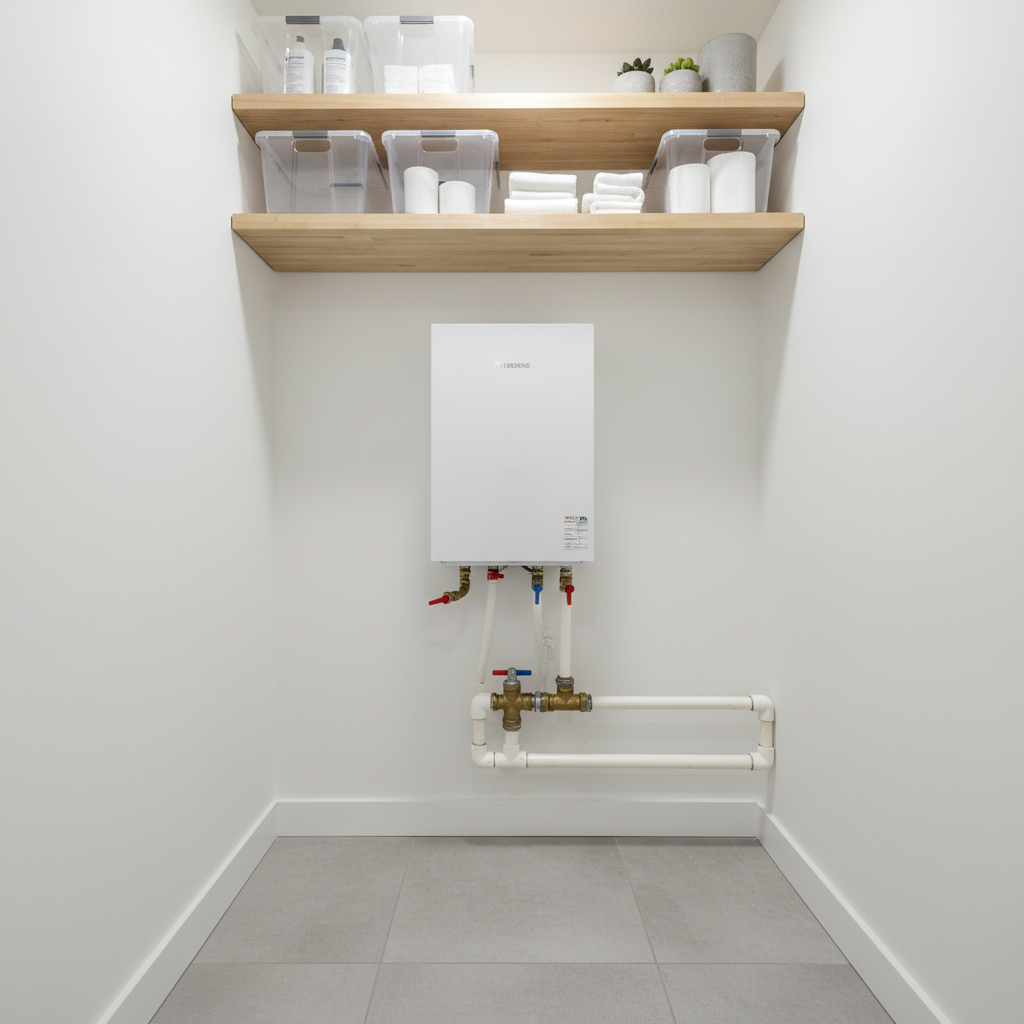
The transition from architectural zones to high performance machinery requires a significant shift in utility planning. When you install a professional 48 inch range, you are not just adding a cooking surface; you are adding an industrial grade exhaust system. Most luxury ranges require hoods capable of moving 1,200 cubic feet of air per minute (CFM) or more. Without a dedicated makeup air system integrated into your HVAC, this powerful suction can create dangerous backdrafts or pull stale air from chimneys and crawlspaces. A true custom kitchen renovation accounts for this air displacement during the structural phase, ensuring the home remains pressurized and safe.
Similarly, the convenience of a high capacity pot filler or multiple dishwashers relies on the volume of available hot water. Traditional tank heaters often struggle to keep up with the simultaneous demands of a luxury suite. We recommend high efficiency tankless water heaters as a core component of our water and design package. These units provide a continuous flow of hot water, which is essential for heavy duty cleaning cycles and high flow faucets that would otherwise deplete a standard tank in minutes.
Utility System | High Performance Requirement | Benefit to Homeowner |
|---|---|---|
HVAC / Ventilation | Makeup Air Dampers | Prevents backdrafting and negative pressure |
Plumbing | Tankless Recirculation | Endless hot water for pot fillers and sinks |
Electrical | Dedicated 20-Amp Circuits | Prevents tripped breakers with smart appliances |
In many historic Philadelphia properties, the existing electrical infrastructure was never designed for the load of modern smart appliances. A single circuit often serves multiple outlets, leading to nuisance tripping when an induction cooktop and a steam oven operate at once. Integrating dedicated circuits and modernizing the panel is a non negotiable aspect of the high end kitchen renovation cost. These technical upgrades ensure that your kitchen operates at peak efficiency without compromising the integrity of your home's mechanical systems.
Craft Decisions That Add Lasting Property Value
Deciding where to allocate capital during a custom kitchen renovation requires distinguishing between temporary aesthetic trends and permanent value. In the luxury markets of Philadelphia and Dover, savvy buyers look past the color of the island to the sophistication of the build. One of the most significant upgrades for long term property value is the transition from tiled backsplashes to full stone slabs. While tile introduces grout lines that inevitably stain or date the room, a continuous slab of quartzite or marble offers a seamless, architectural look that simplifies maintenance and remains stylistically relevant for decades.
Lighting design is another area where professional craft outshines generic remodeling. Rather than relying solely on overhead recessed cans, a high performance kitchen utilizes a layered approach. This includes integrated task lighting tucked into cabinetry and toe kick lighting that provides safety and ambiance after hours. These elements are hardwired during the framing stage; they are not afterthoughts. They create a museum quality atmosphere that elevates the entire home’s perceived value.
Feature | Trendy / Low ROI | Timeless / High ROI |
|---|---|---|
Backsplash | Patterned Ceramic Tile | Full Stone Slab |
Cabinetry | Standard Slam Closures | Sound-Dampened Soft Close |
Lighting | Decorative Pendants Only | Integrated Task & Toe-Kick |
Infrastructure | Standard Piping | Professional Plumbing Manifolds |
Beyond the visuals, the luxury market demands invisible quality. This includes sound dampened cabinetry that eliminates the hollow clatter of lower grade units and professional plumbing manifolds that allow for isolated control of every fixture. These manifolds, often integrated into our water and design package, represent a level of mechanical foresight that differentiates a professional renovation from a standard contractor job. Furthermore, professional grade ventilation serves as a protective measure for the home’s interior; it prevents grease particles and moisture from damaging expensive millwork in adjacent rooms. By prioritizing these structural and technical craft decisions, you ensure that the high end kitchen renovation cost is an investment in the home’s mechanical and architectural integrity rather than just a cosmetic update.
While modern aesthetics are certainly important, the true value of a custom build lies in the unseen infrastructure and craftsmanship that ensure longevity. Investing in quality today prevents costly repairs tomorrow. If you want expert help navigating these complex decisions, we are here to guide you through every stage of your Kitchen Renovation. Our team focuses on balancing functional design with superior materials to create a space that stands the test of time while fitting your lifestyle perfectly.